MCQs on Blood Metabolites 4.8 (5684)

Which of the following is a primary metabolite?• A) Penicillin• B) Glucose• C) Alkaloids• D) LycopeneAnswer: B) GlucoseExplanation: Glucose is a primary metabolite essential for energy production via glycolysis and … Read More

MCQs on Serum Electrolytes 4.8 (4569)

Which electrolyte imbalance is most commonly associated with cardiac arrhythmias?• A) Hypernatremia• B) Hypokalemia• C) Hypercalcemia• D) HypomagnesemiaAnswer: B) HypokalemiaExplanation: Hypokalemia lowers resting membrane potential, increasing myocardial excitability, which can … Read More

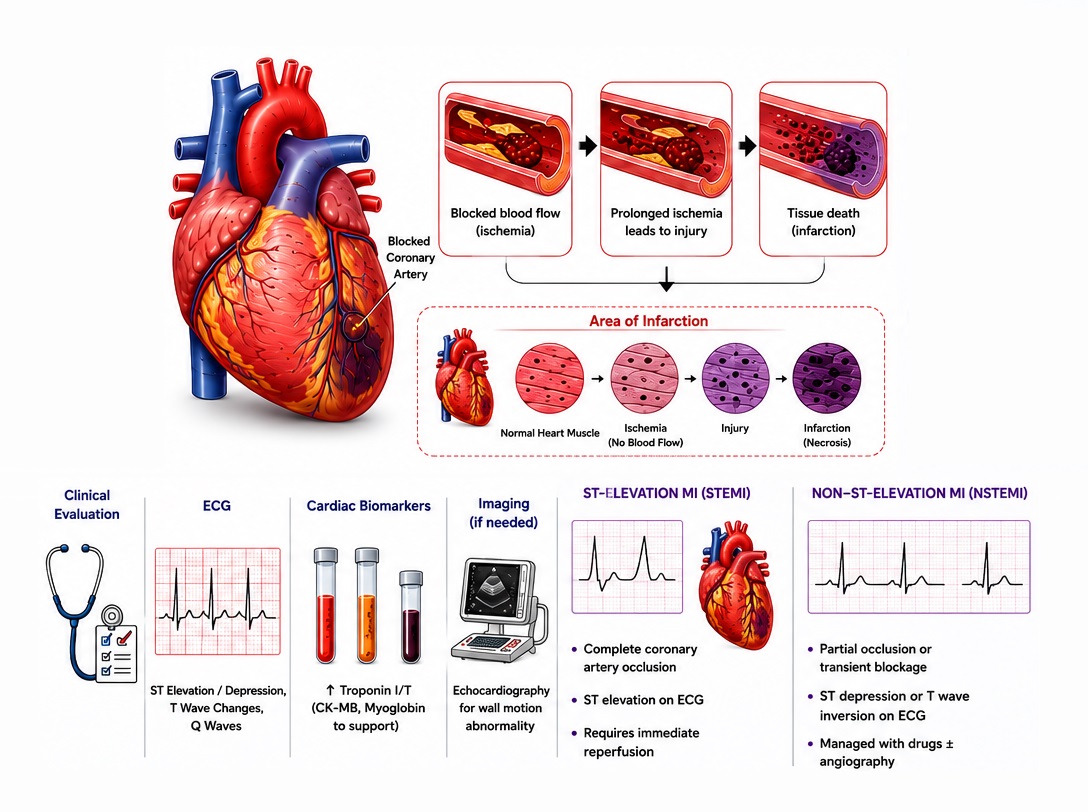
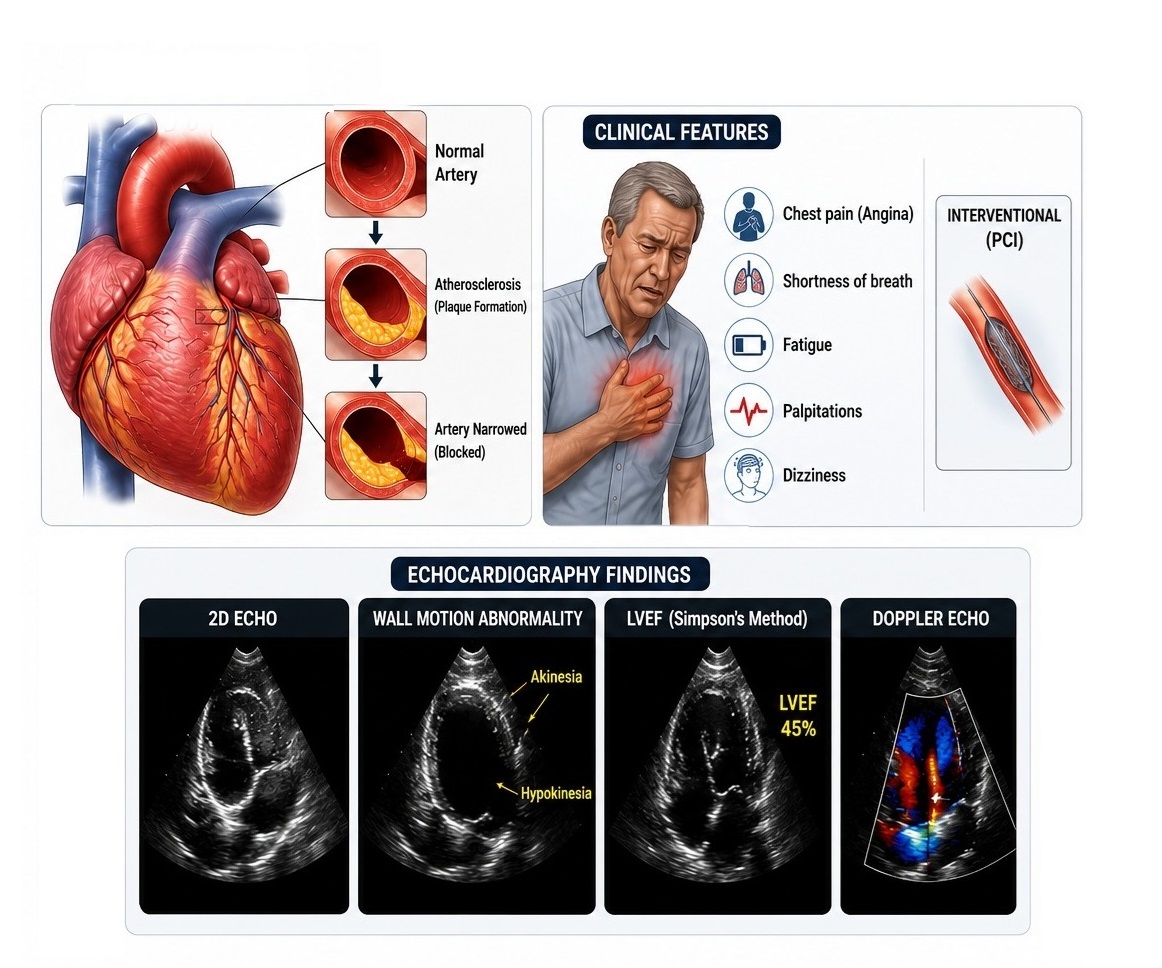
MCQs on Cardiac Profile Test / Cardiac Markers 4.8 (3854)

Which enzyme is most specific for myocardial infarction?• A) AST• B) LDH• C) CK-MB• D) ALTAnswer: C) CK-MBExplanation: CK-MB is an isoenzyme of creatine kinase predominantly found in cardiac muscle. … Read More

MCQs on Kidney Function (KFT) 3.7 (3)

1. Which of the following is the best routine test for glomerular filtration rate (GFR)? • A) Serum creatinine• B) Urea clearance• C) Inulin clearance• D) Serum uric acid Answer: … Read More

MCQ on Liver Function Test 4.8 (4562)

1. Which of the following is NOT part of a routine liver function test (LFT) panel? A) Serum bilirubin B) Alanine aminotransferase (ALT) C) Serum creatinine D) Alkaline phosphatase (ALP) … Read More

Creutzfeldt–Jakob Disease (CJD) – Sign and Symptoms, Risk factors, Diagnosis, Complications, Treatment and Prevention 4.9 (4588)

Creutzfeldt–Jakob Disease (CJD) is a rare, fatal, and rapidly progressive neurodegenerative disorder belonging to the group of transmissible spongiform encephalopathies (TSEs). It results from the pathological accumulation of misfolded prion … Read More

MCQs on Basic Biochemical Principles 4.9 (2567)

1. What is the Michaelis-Menten constant (Km)? A) The maximum velocity of an enzyme reaction B) The substrate concentration at half-maximal velocity C) The enzyme turnover number D) The inhibitor … Read More

MCQs on Human Renal Physiology 4.8 (5692)

1. What is the primary function of the kidneys? a) Production of red blood cells b) Regulation of blood pressure c) Excretion of metabolic waste products d) Synthesis of hormones … Read More

MCQs on Human Respiratory Physiology 4.9 (5850)

1. Which part of the brain regulates respiratory rate? a) Hypothalamus b) Medulla oblongata c) Cerebellum d) Thalamus Answer: b) Medulla oblongata Explanation: The medulla oblongata in the brainstem regulates … Read More

MCQs on Human Cardiovascular Physiology 4.9 (4572)

1. Which of the following is the primary function of the cardiovascular system? a) Oxygenation of blood b) Circulation of blood to all body tissues c) Production of red blood … Read More

MCQs on Human Nerve and Muscle Physiology 4.8 (5642)

  1. Which part of the neuron is responsible for transmitting electrical impulses away from the cell body? a) Dendrite b) Axon c) Soma d) Synapse Answer: b) Axon Explanation: … Read More

MCQs on Human Blood Physiology 4.9 (7612)

1. What is the primary function of red blood cells (RBCs)? a) Transport carbon dioxide b) Transport oxygen c) Protect against infection d) Produce antibodies Answer: b) Transport oxygen Explanation: … Read More