

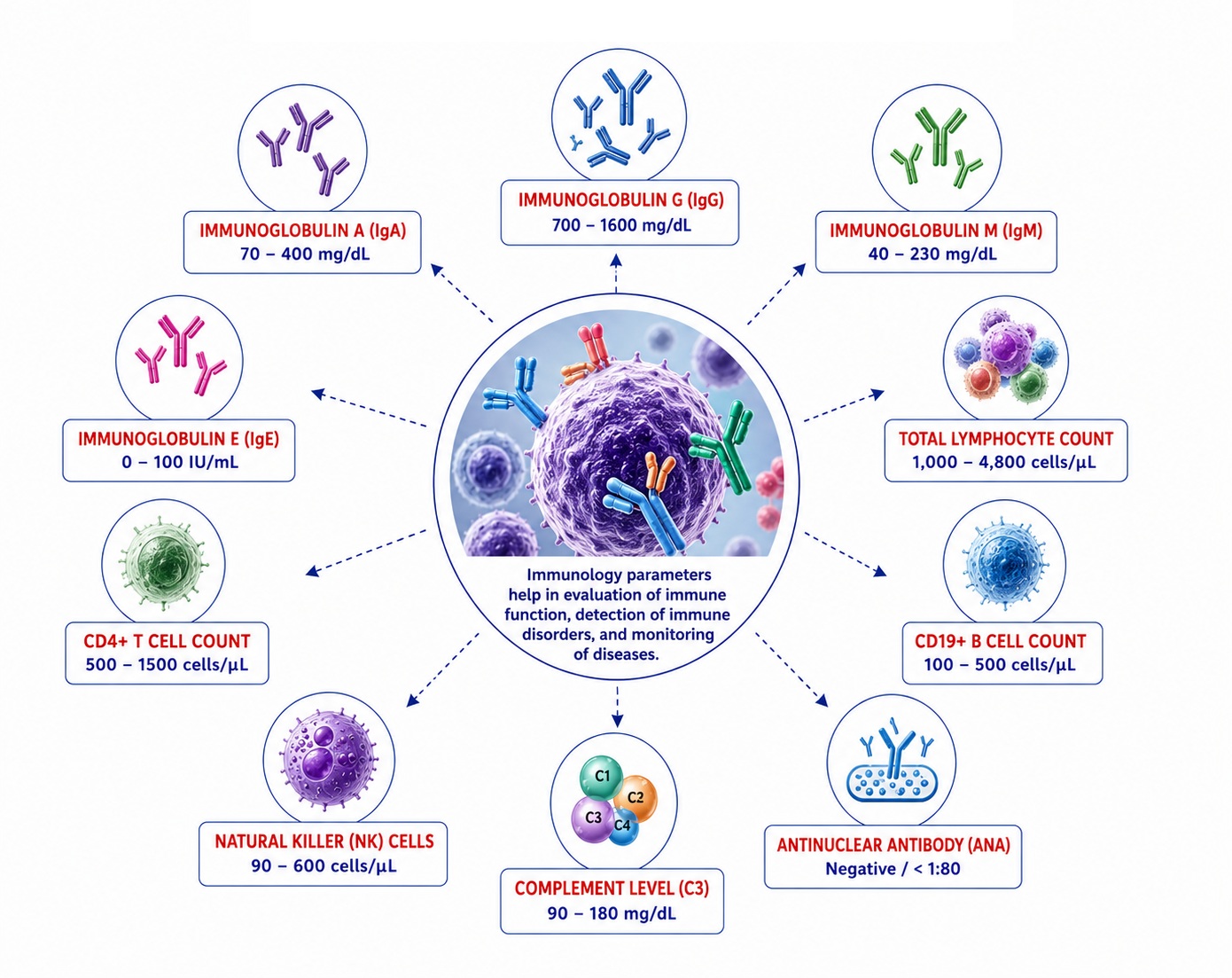
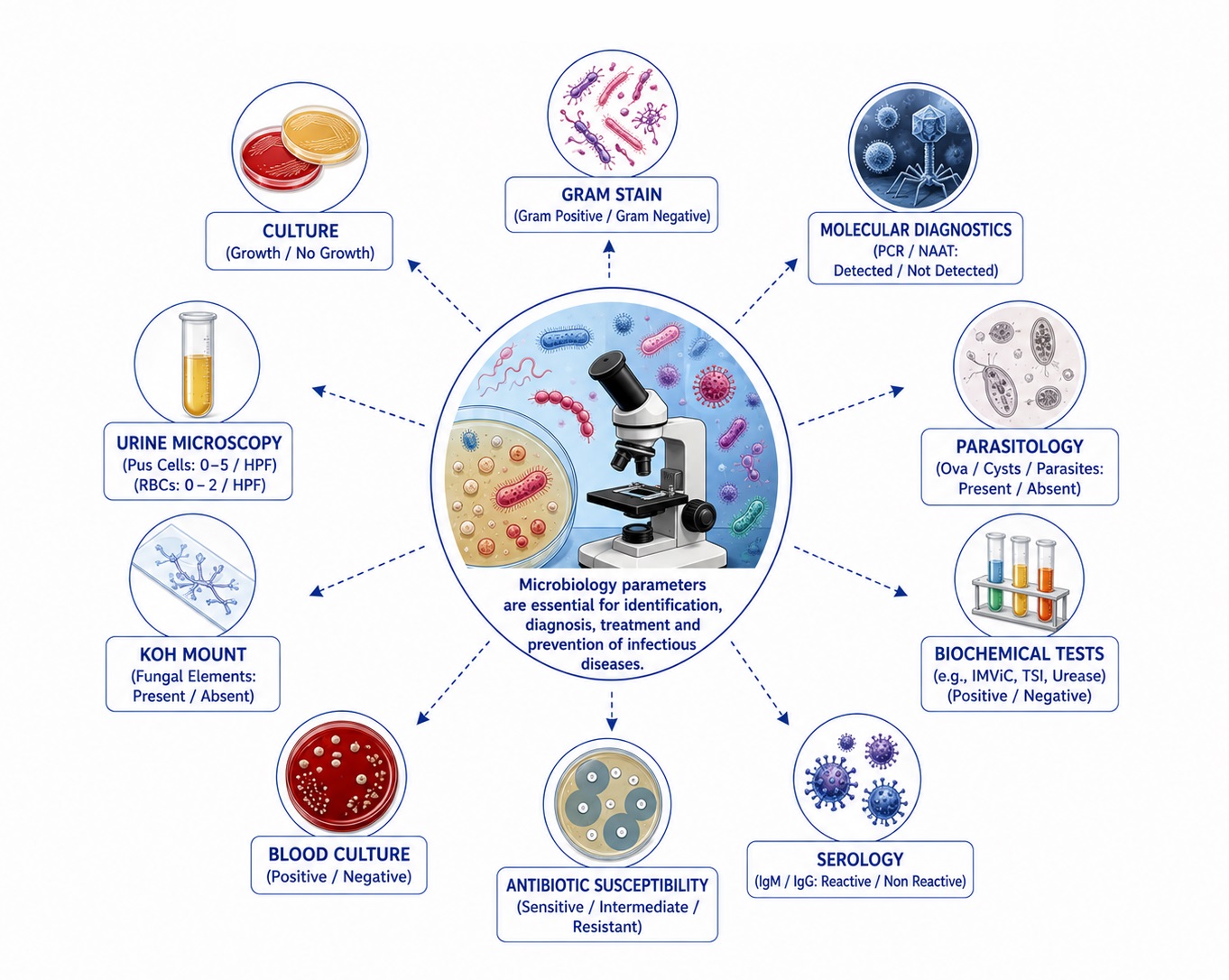
Normal Values and Reference Parameters in Microbiology 0 (0)

Microbiology differs from hematology and clinical chemistry because most microbiological investigations do not have traditional “normal ranges.” Instead, microbiology relies on reference parameters that define the normal microbial flora, acceptable … Read More
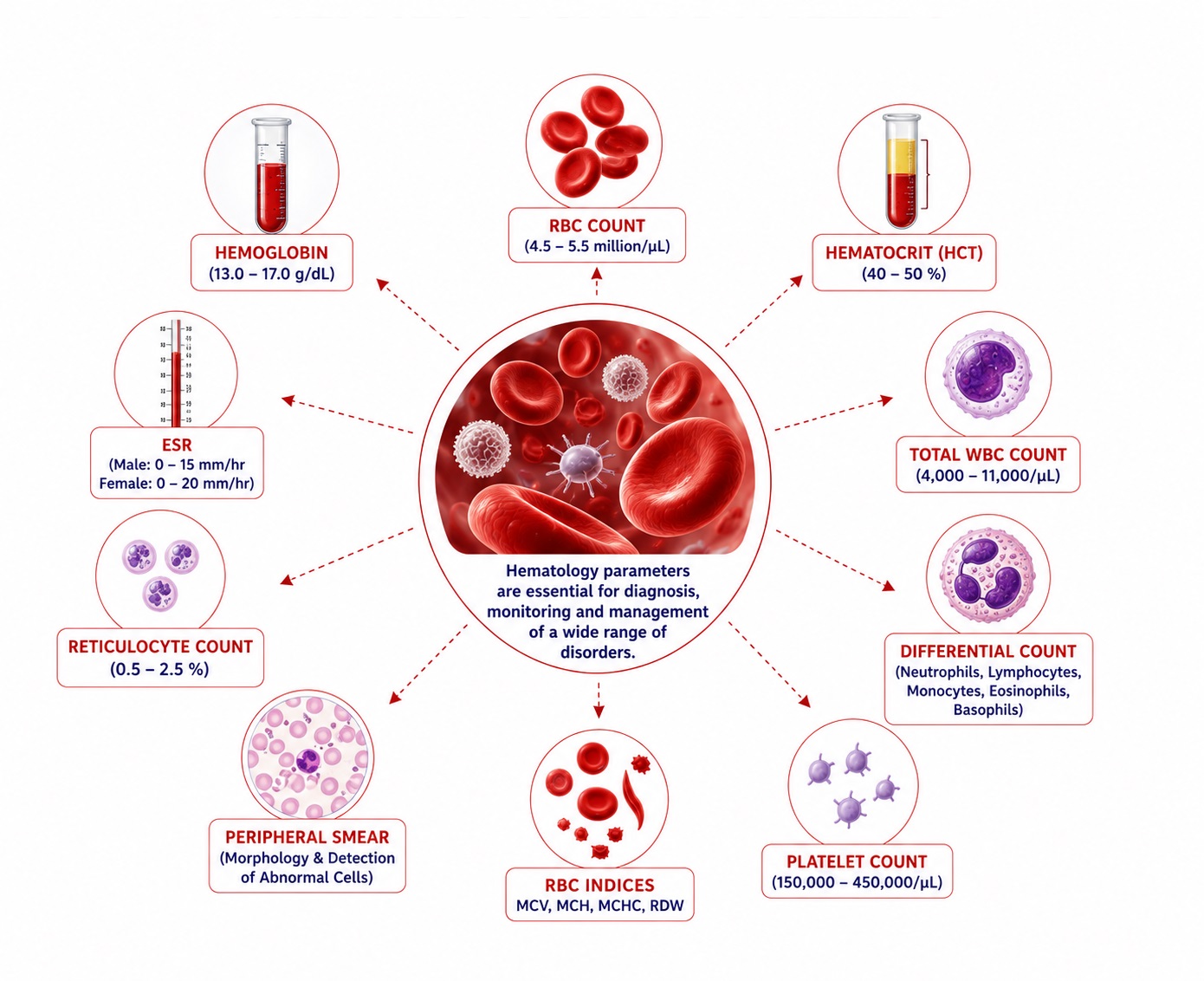
Normal Values of Hematological Parameters 0 (0)

Hematology encompasses the study of blood cells, hematopoietic tissues, coagulation systems, and their associated disorders. Hematological reference intervals provide standardized quantitative benchmarks for evaluating erythrocyte, leukocyte, platelet, and coagulation function … Read More

Normal Values of Clinical Biochemistry Parameters 0 (0)

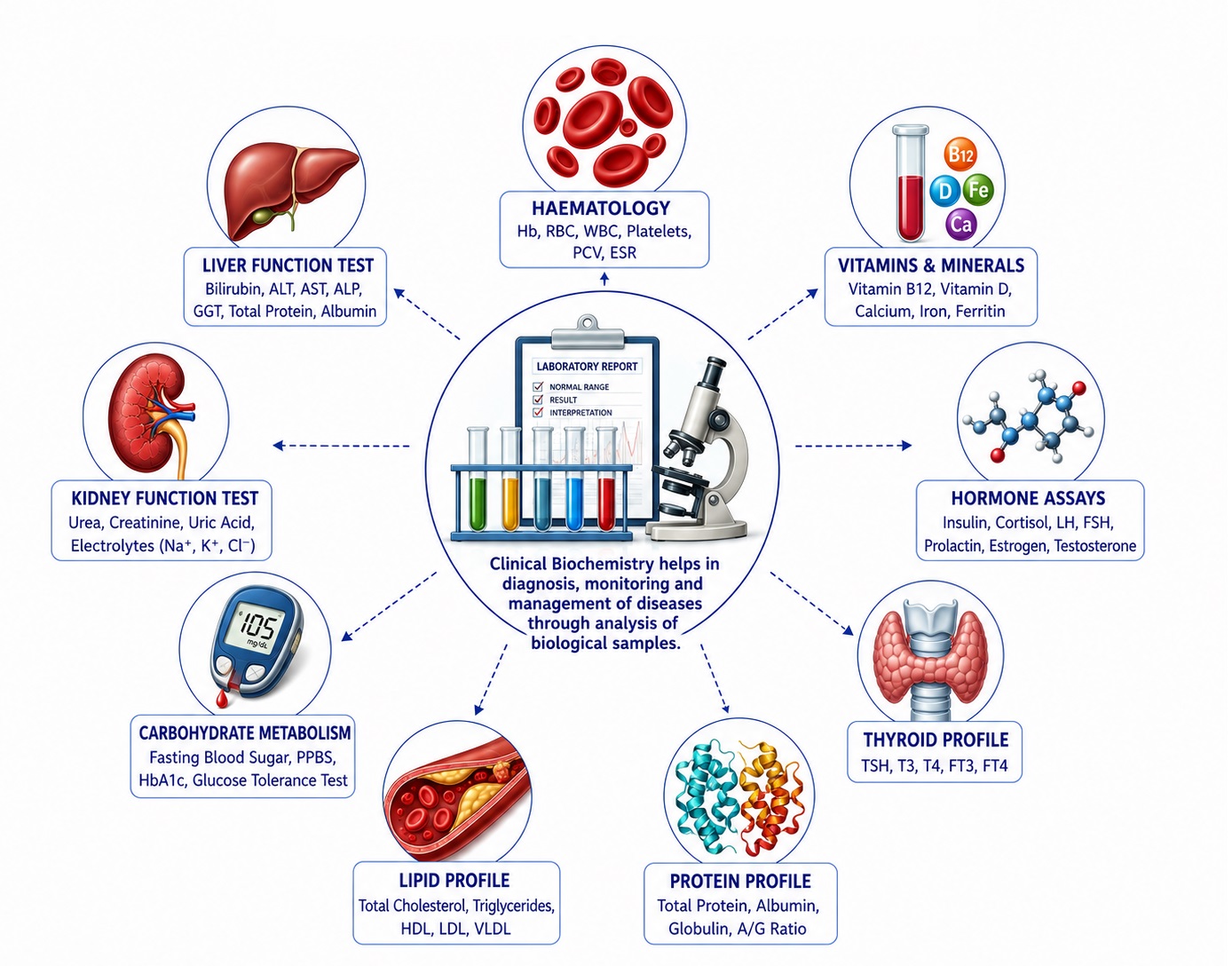
Clinical Biochemistry is the branch of laboratory medicine that analyzes biochemical constituents of blood, urine, cerebrospinal fluid (CSF), and other body fluids. These laboratory parameters provide critical information about organ … Read More

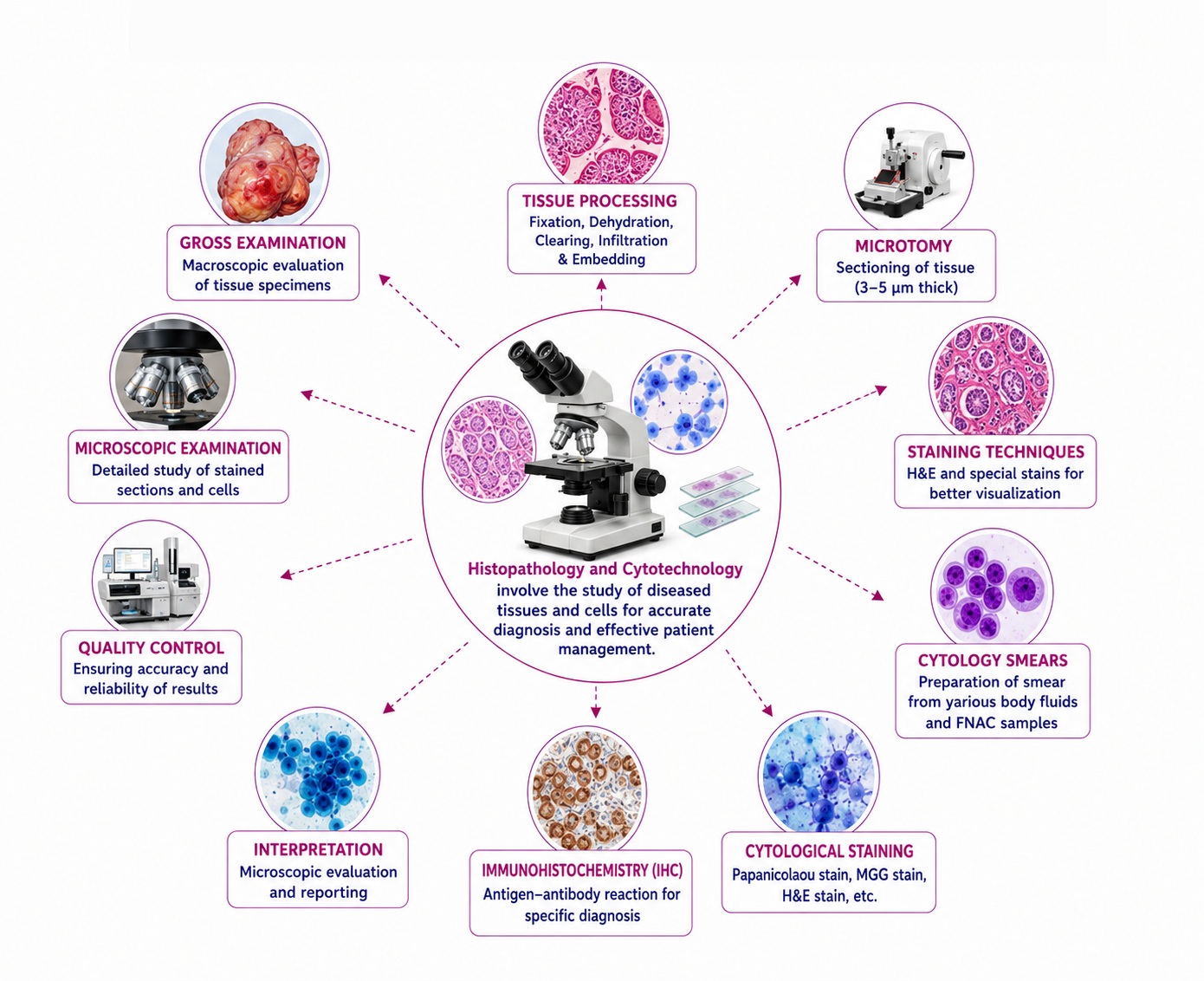
Normal Values and Reference Parameters in Histopathology and Cytotechnology 0 (0)

Histopathology and Cytotechnology are specialized branches of laboratory medicine concerned with the microscopic evaluation of tissues and cells for diagnostic, prognostic, and research purposes. Unlike hematology and clinical chemistry, histopathology … Read More

Normal Values of Clinical Pathology Parameters 0 (0)

Clinical Pathology encompasses the laboratory examination of body fluids, excreta, cellular elements, and microscopic specimens for the diagnosis, monitoring, and prognosis of diseases. Unlike hematology or clinical biochemistry, clinical pathology … Read More

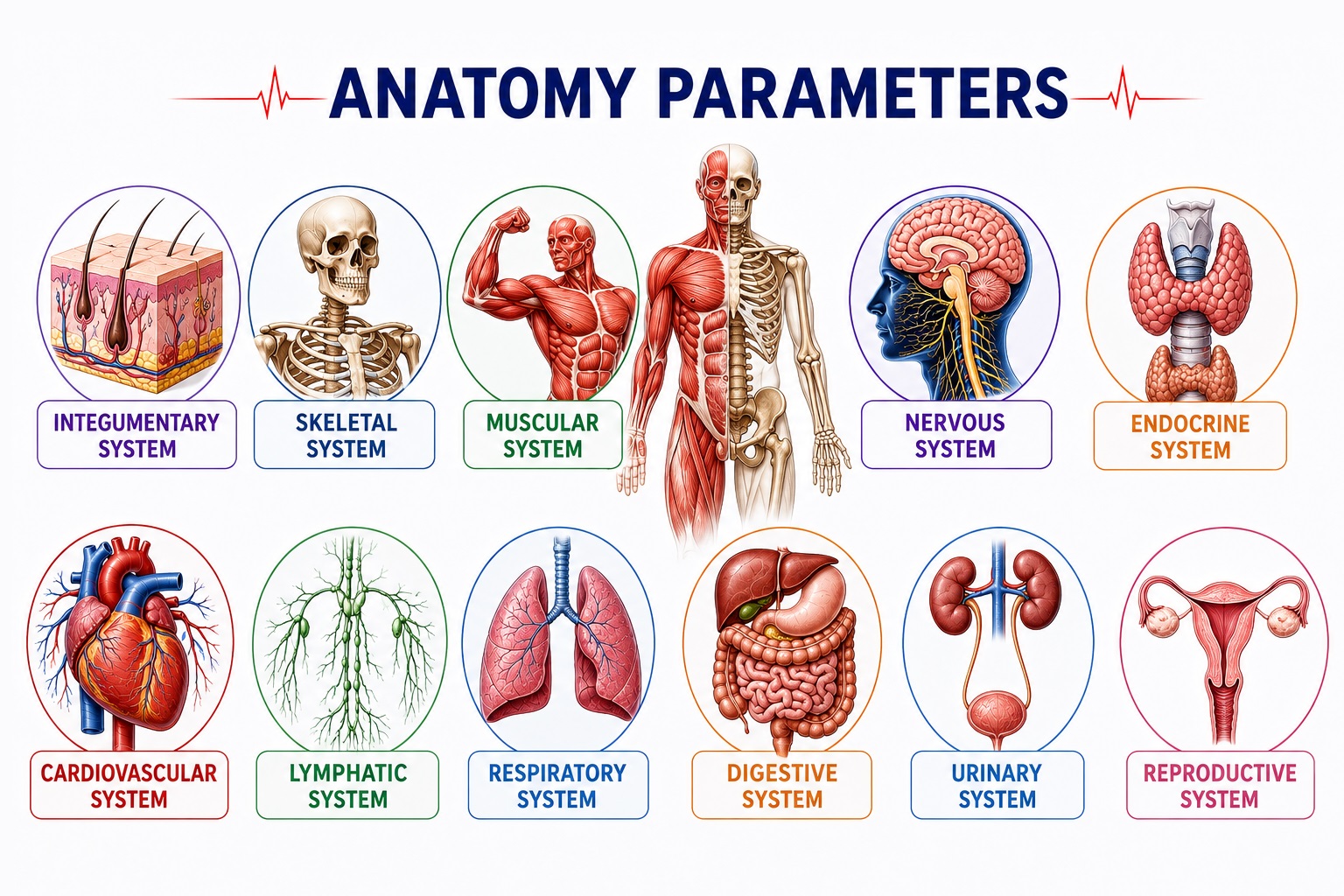
Anatomical Parameters of the Human Body 0 (0)

Anatomical parameters represent the normal structural dimensions, weights, volumes, counts, and measurements of organs, tissues, and body systems in healthy individuals. These reference values are fundamental in anatomy, radiology, pathology, … Read More

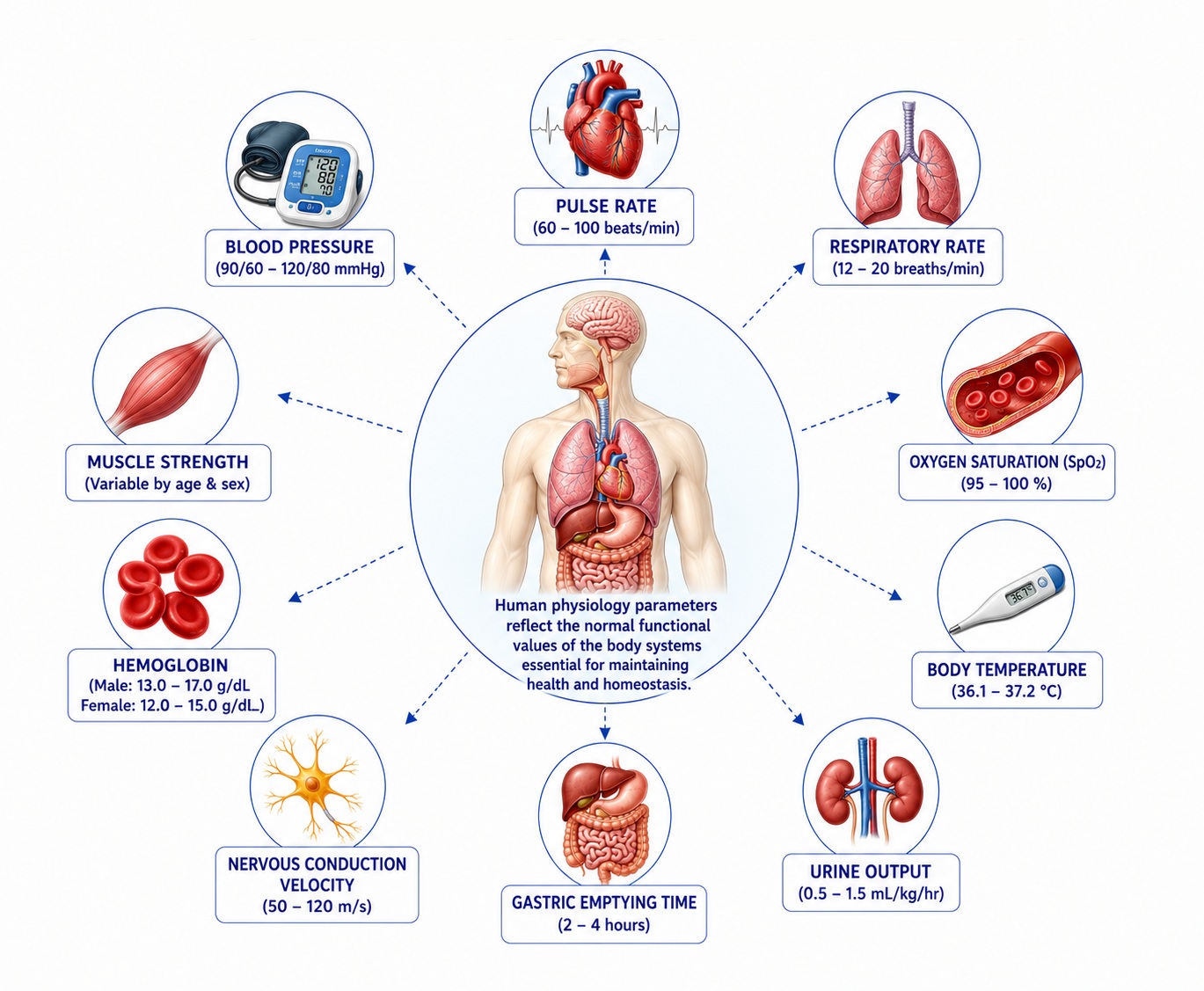
Normal Values of Human Physiology Parameters 0 (0)

Human Physiology is the scientific study of the normal functions, mechanisms, and regulatory processes that maintain homeostasis within the human body. Physiological reference values serve as fundamental benchmarks for assessing … Read More

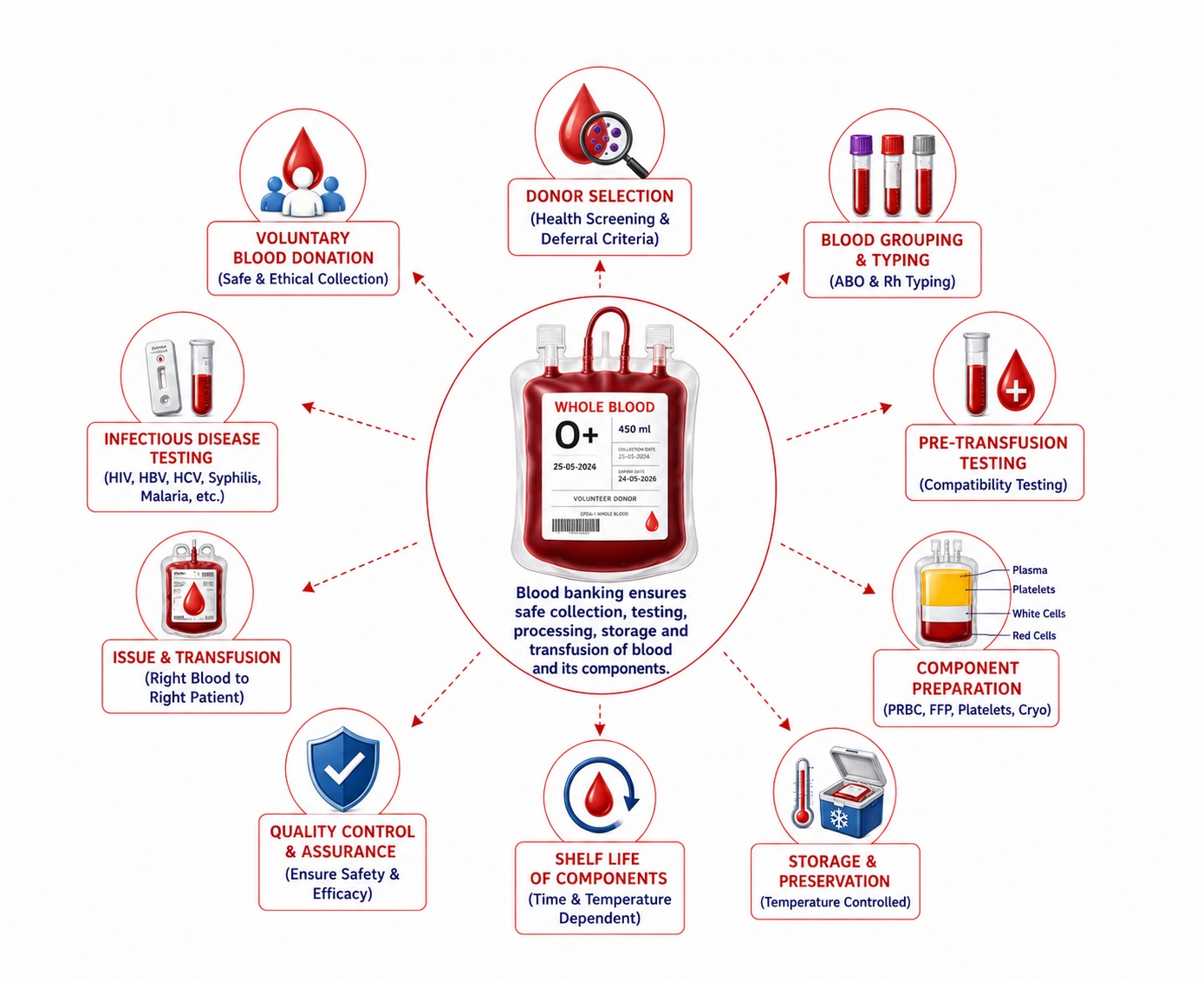
Normal Values and Reference Parameters in Blood Banking 0 (0)

Blood Banking or Transfusion Medicine is a specialized branch of laboratory medicine concerned with the collection, processing, testing, storage, compatibility assessment, and clinical utilization of blood and blood components. Unlike … Read More

Nipah Virus Infection – Sign and Symptoms, Risk factors, Diagnosis, Complications, Treatment and Prevention 4.9 (15692)

Nipah virus is a highly pathogenic zoonotic RNA virus belonging to the genus Henipavirus (family Paramyxoviridae), first identified during the 1998–1999 outbreak in Malaysia. The natural reservoir comprises fruit bats … Read More

MCQs on Physical Examination of Urine 4.8 (5468)

1. Which of the following is the normal color of freshly voided urine? • A) Red• B) Pale yellow• C) Dark brown• D) GreenAnswer: B) Pale yellowExplanation: Fresh urine is … Read More

MCQs on Serum Electrolytes 4.8 (4569)

Which electrolyte imbalance is most commonly associated with cardiac arrhythmias?• A) Hypernatremia• B) Hypokalemia• C) Hypercalcemia• D) HypomagnesemiaAnswer: B) HypokalemiaExplanation: Hypokalemia lowers resting membrane potential, increasing myocardial excitability, which can … Read More

MCQs on Kidney Function (KFT) 3.7 (3)

1. Which of the following is the best routine test for glomerular filtration rate (GFR)? • A) Serum creatinine• B) Urea clearance• C) Inulin clearance• D) Serum uric acid Answer: … Read More