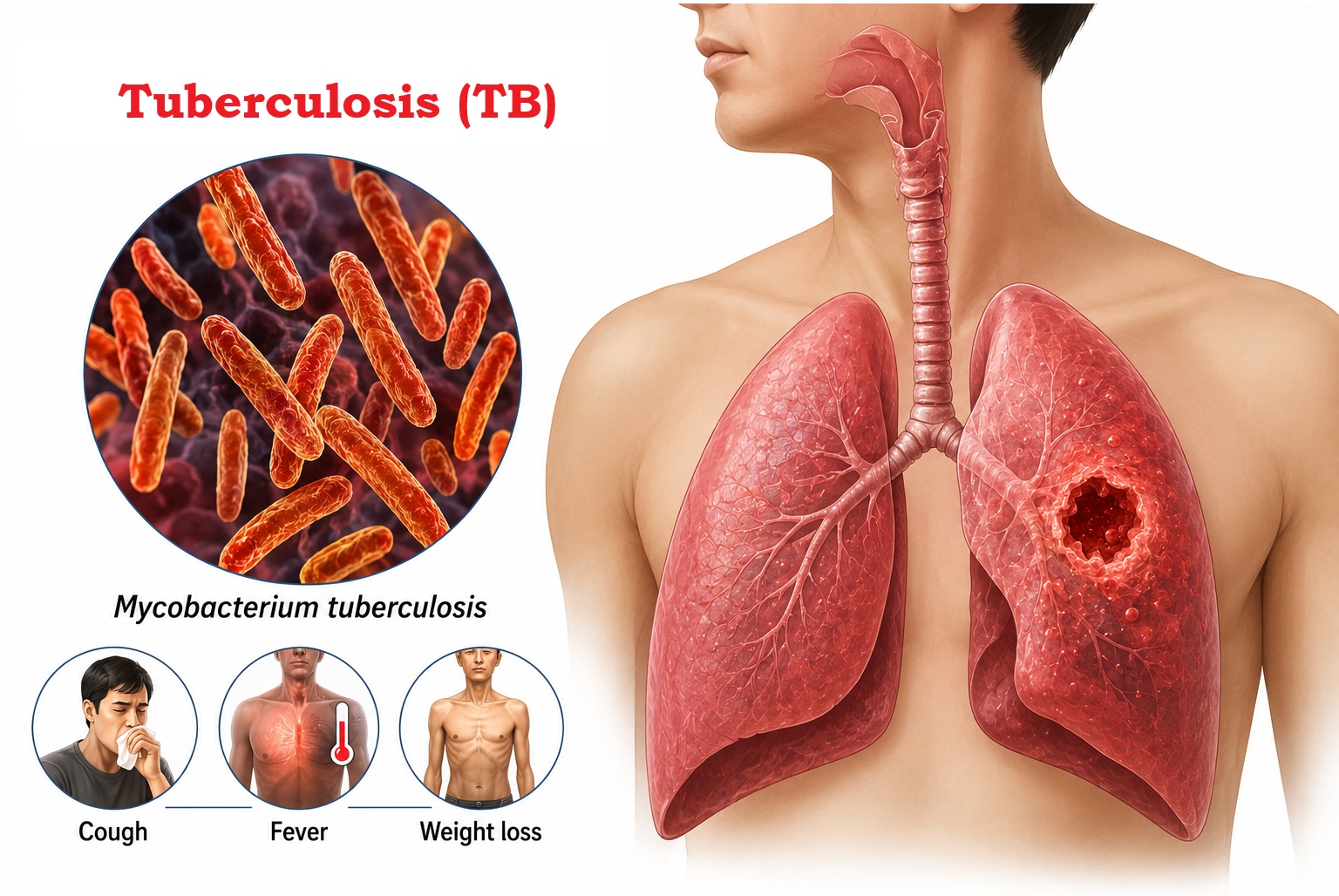
Tuberculosis (TB) – Sign and Symptoms, Risk Factors, Diagnosis, Complications, Treatment and Prevention 0 (0)

Tuberculosis (TB) is a chronic granulomatous infectious disease caused by Mycobacterium tuberculosis, a slow-growing, aerobic, acid-fast bacillus belonging to the Mycobacterium tuberculosis complex (MTBC). The disease presents in two principal … Read More
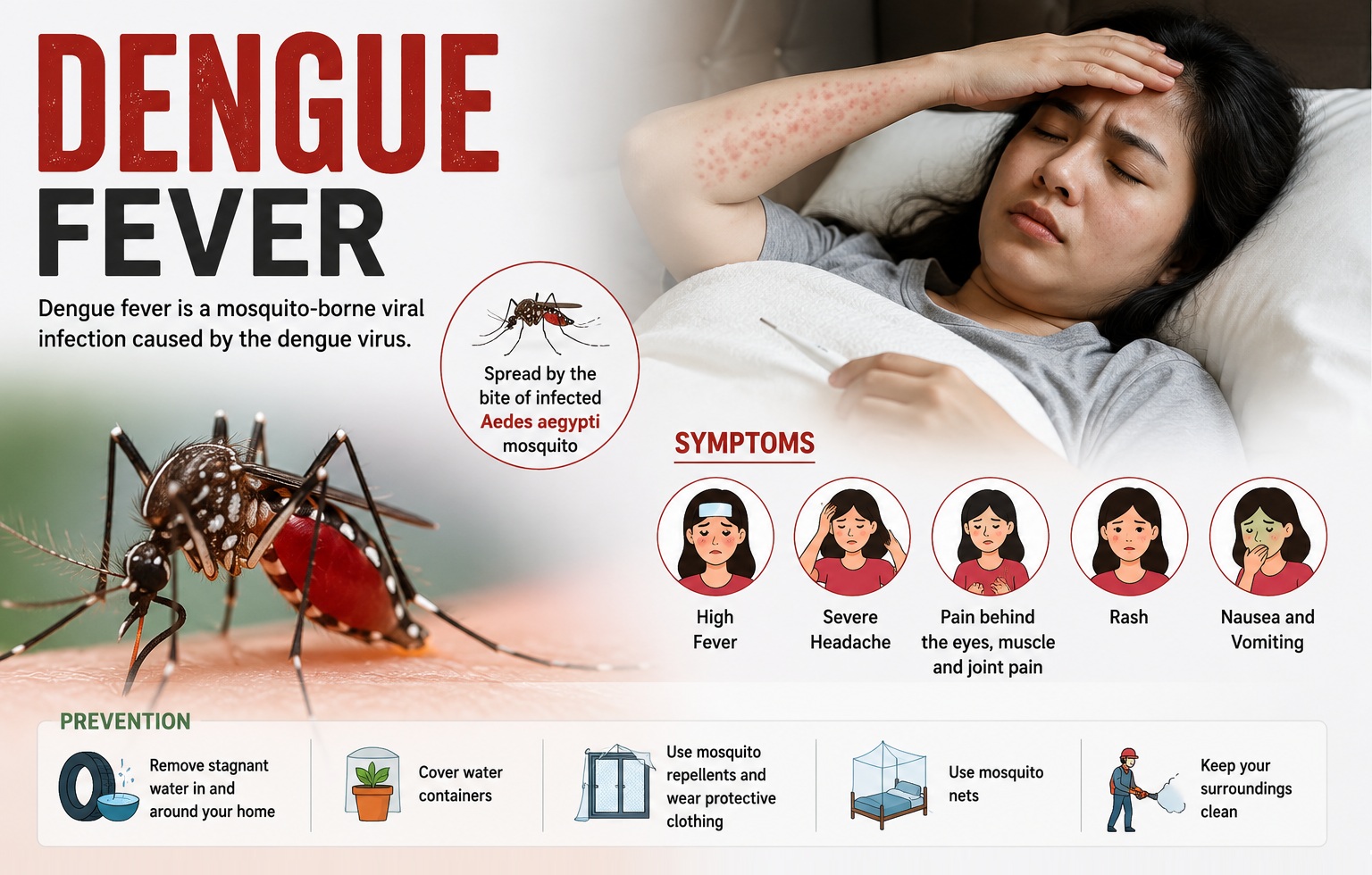
Dengue Fever – Sign and Symptoms, Risk Factors, Diagnosis, Complications, Treatment and Prevention 0 (0)

Dengue fever is the most rapidly spreading mosquito-borne arboviral disease in the world, caused by the dengue virus (DENV) — a single-stranded, positive-sense RNA virus belonging to the genus Flavivirus, … Read More

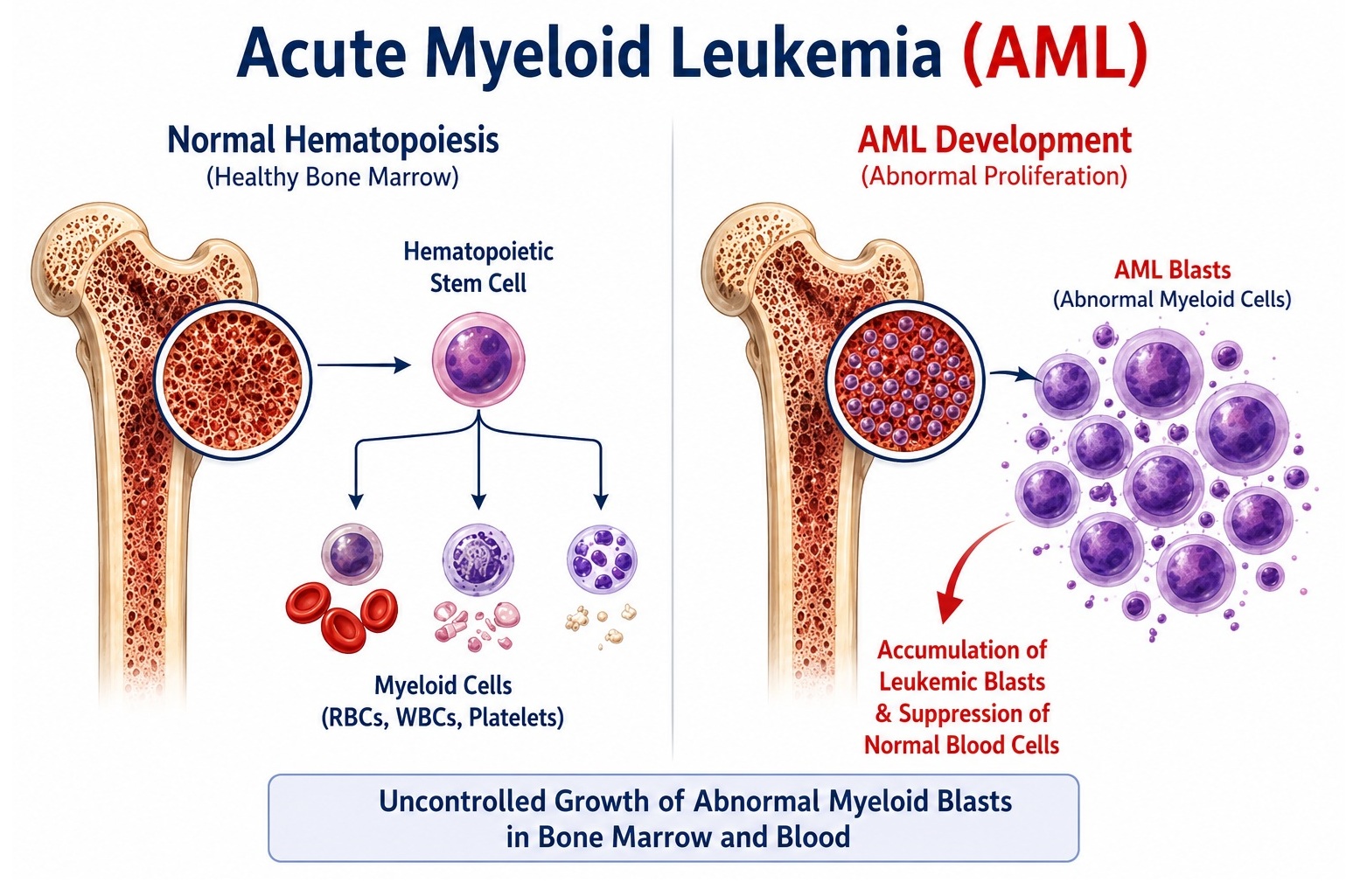
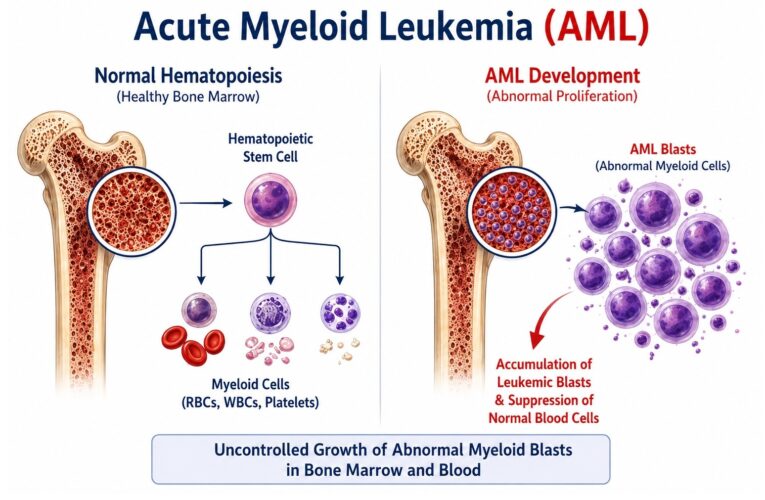
Acute Myeloid Leukemia (AML) – Sign and Symptoms, Risk Factors, Diagnosis, Complications, Treatment and Prevention 0 (0)

Acute Myeloid Leukemia (AML) is a rapidly progressing, clonal malignancy of hematopoietic progenitor cells arising in the bone marrow, characterized by uncontrolled proliferation of immature myeloid blasts that fail to … Read More

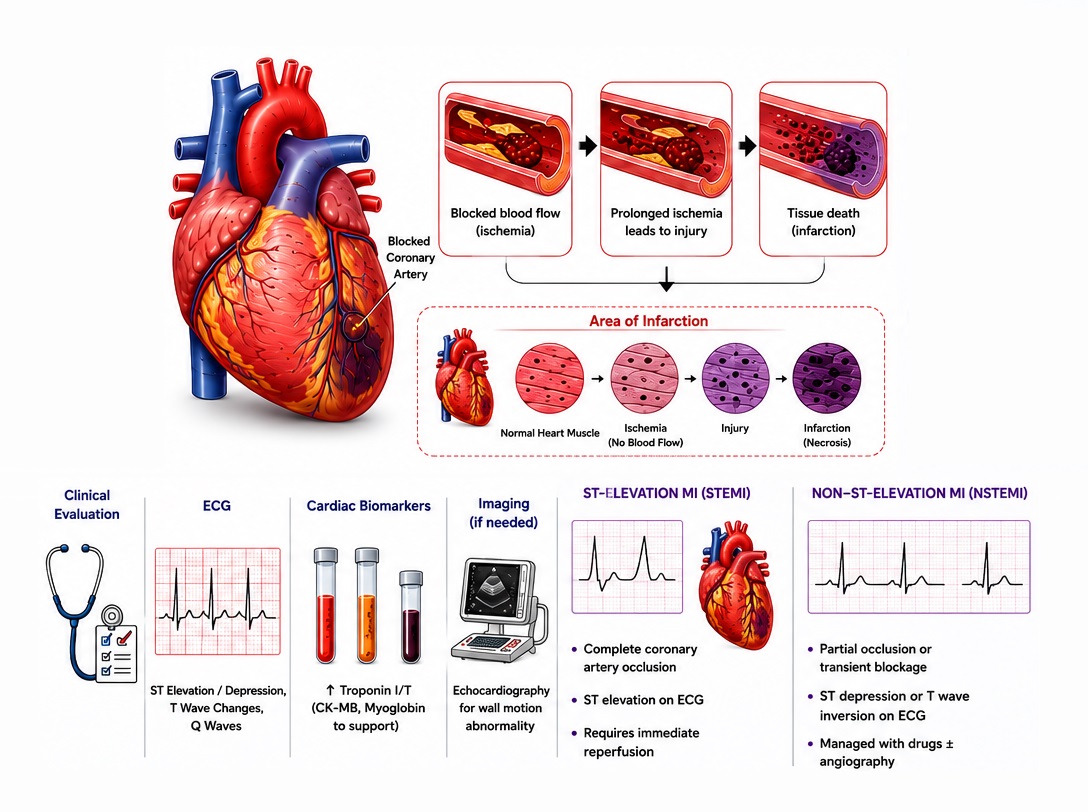
Heart Attack (Myocardial Infarction) – Sign and Symptoms, Risk Factors, Diagnosis, Complications, Treatment and Prevention 4.9 (2256)

Heart attack, medically known as a Myocardial Infarction (MI), is a life-threatening medical emergency that occurs when blood flow to a portion of the heart muscle is severely reduced or … Read More

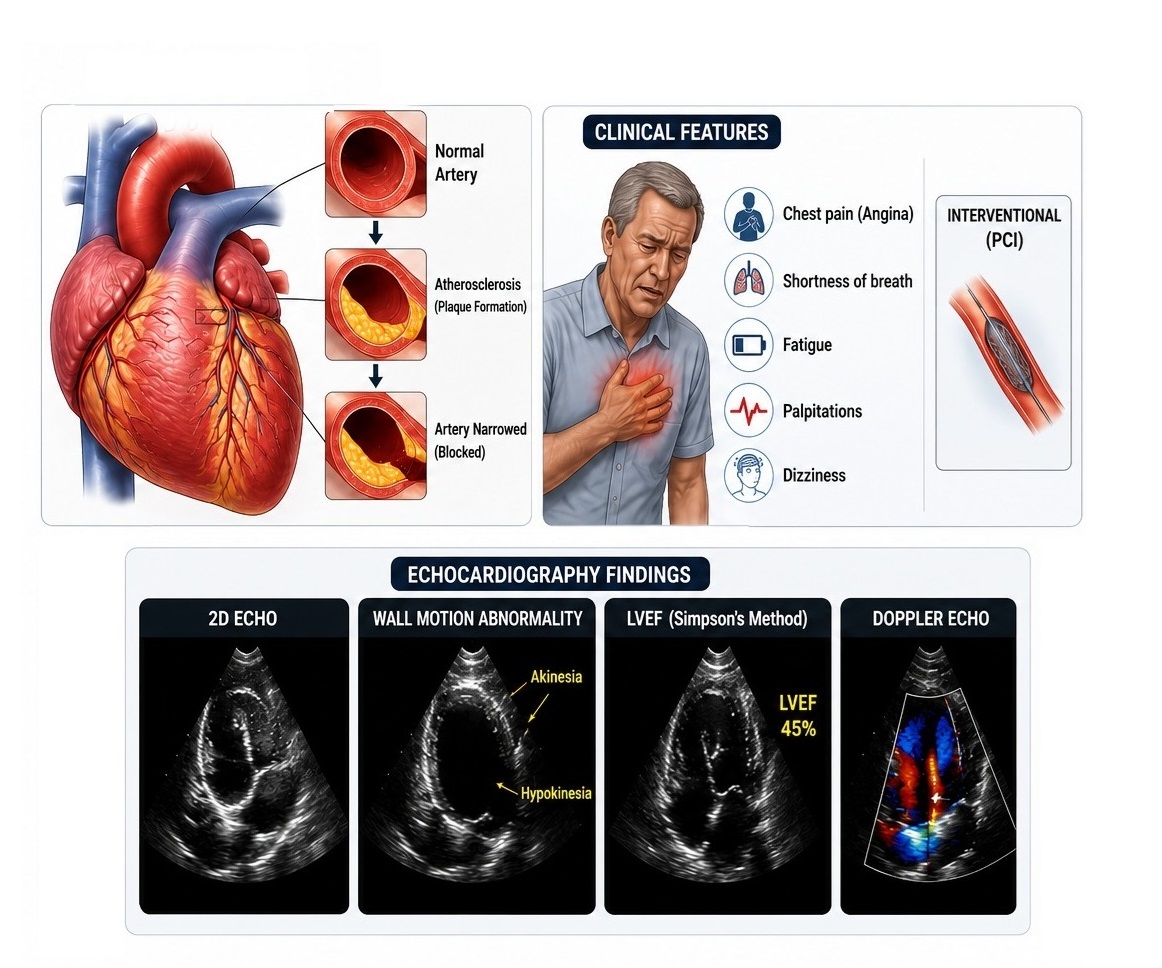
Coronary Artery Disease (CAD) – Sign and Symptoms, Risk Factors, Diagnosis, Complications, Treatment and Prevention 4.9 (6524)

Coronary Artery Disease (CAD) is a chronic atherosclerotic cardiovascular disorder characterized by the narrowing or obstruction of the coronary arteries due to the accumulation of lipid-rich plaques within the arterial … Read More

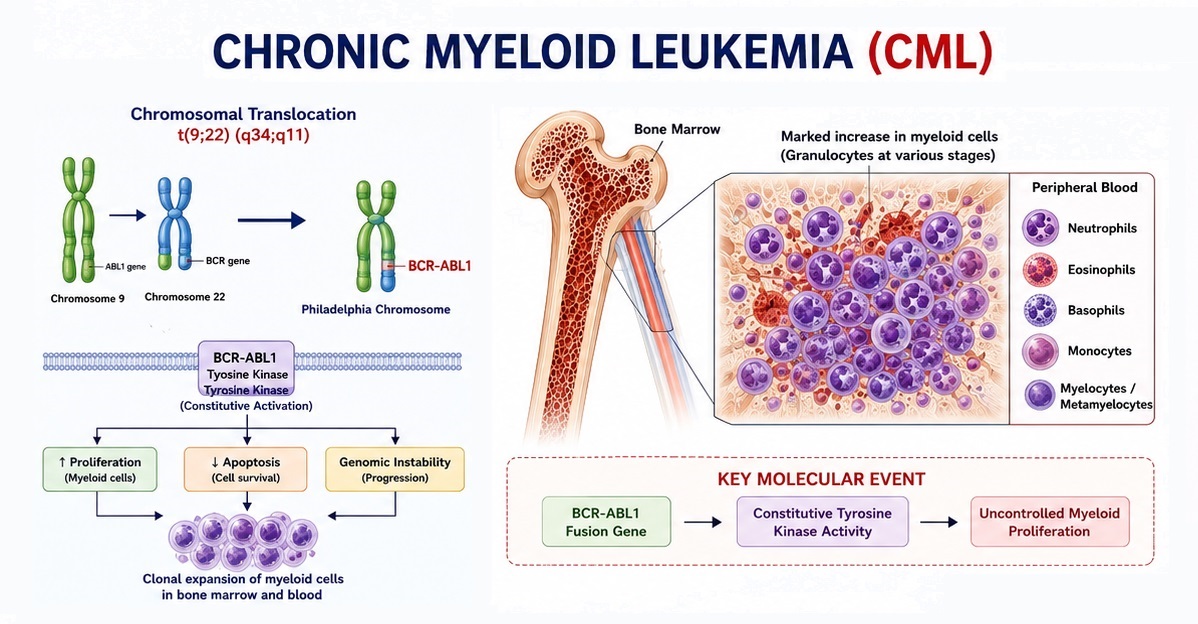
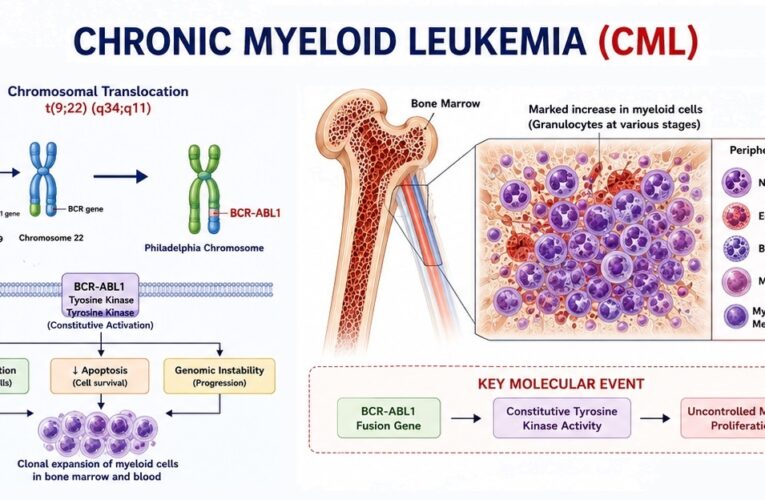
Chronic Myeloid Leukemia (CML) – Sign and Symptoms, Risk Factors, Diagnosis, Complications, Treatment and Prevention 4.9 (6582)

Chronic Myeloid Leukemia (CML) is a clonal myeloproliferative neoplasm arising from a pluripotent hematopoietic stem cell and defined at the molecular level by the BCR-ABL1 fusion gene. This oncogene is … Read More

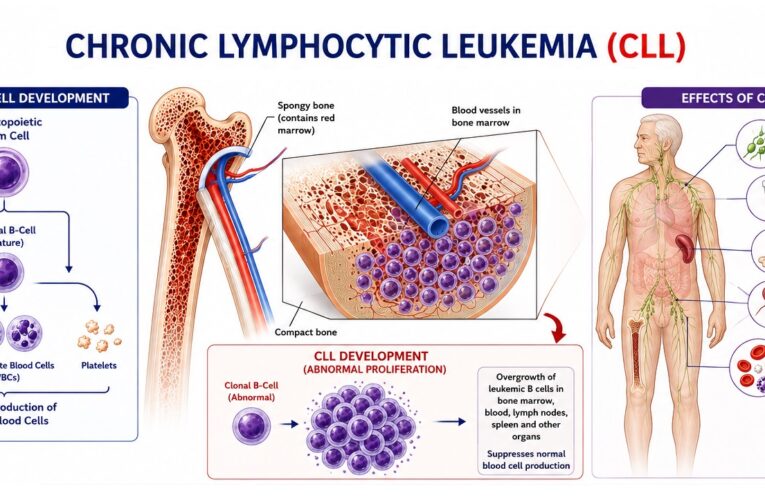
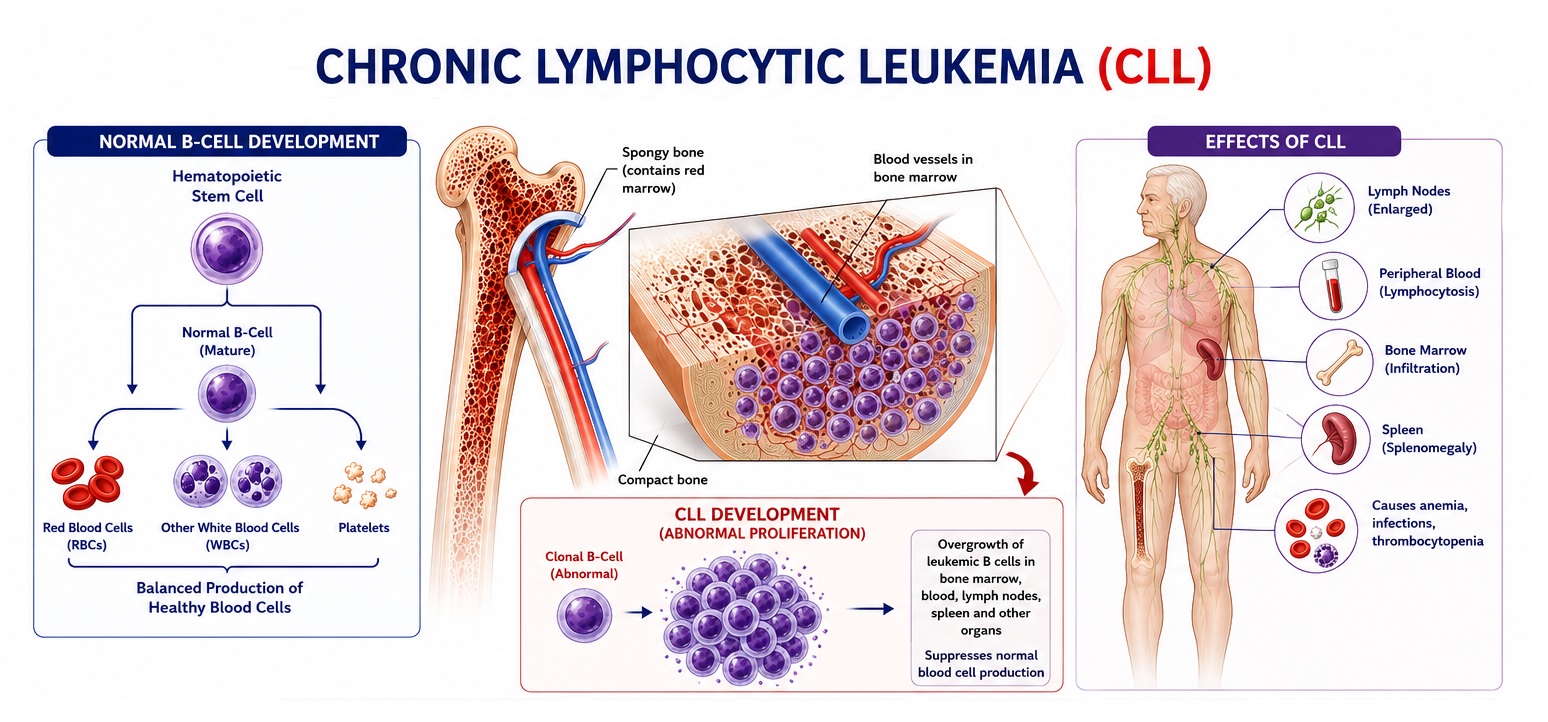
Chronic Lymphocytic Leukemia (CLL) – Sign and Symptoms, Risk Factors, Diagnosis, Complications, Treatment and Prevention 4.9 (8752)

Chronic Lymphocytic Leukemia (CLL) is the most common adult leukemia in Western countries, accounting for approximately 25–30% of all leukemias in the United States and Europe. It is a clonal … Read More

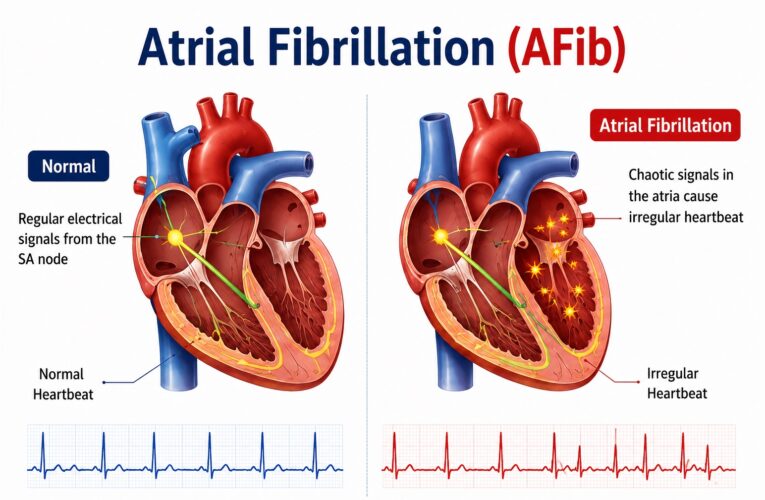
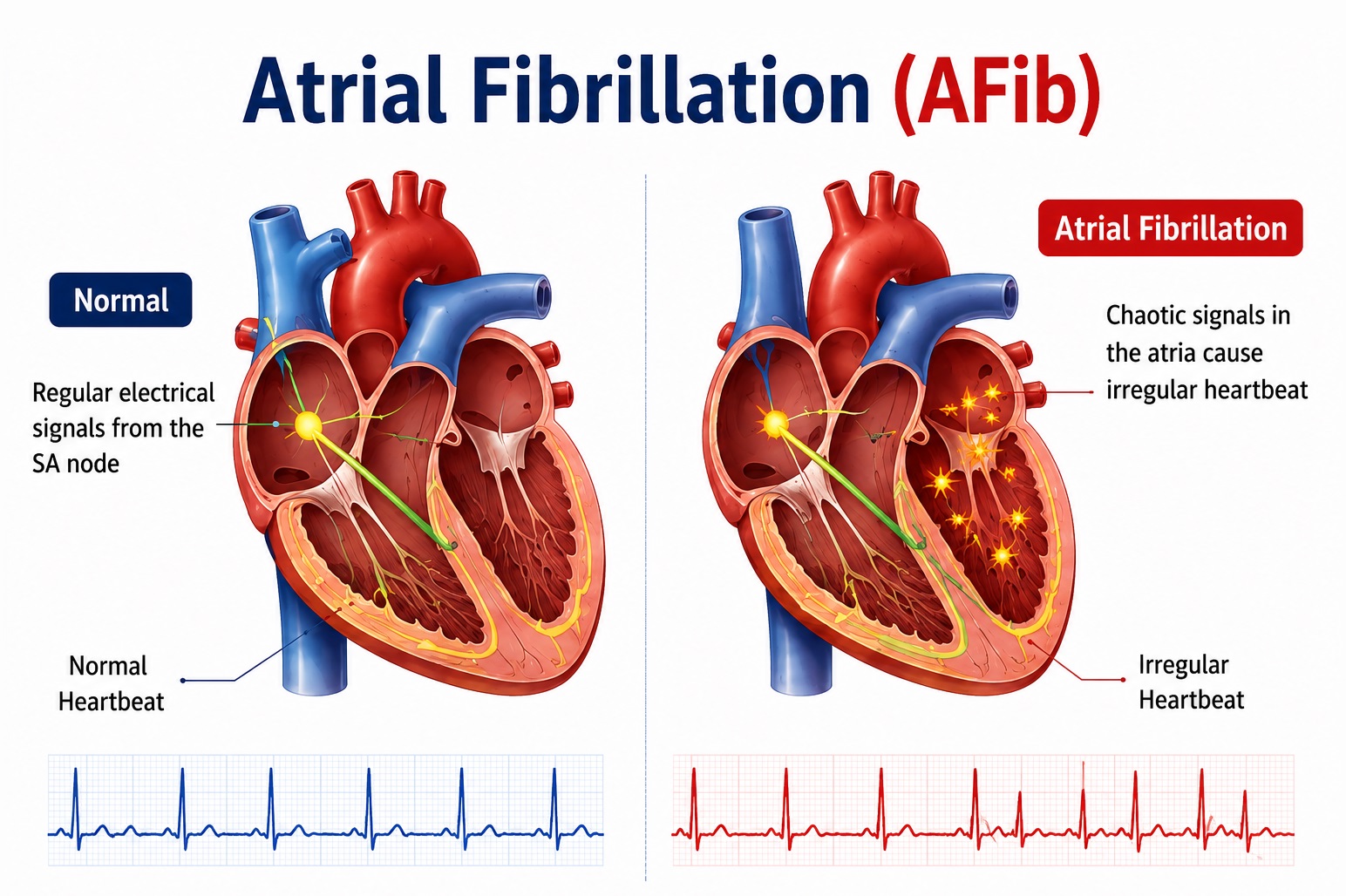
Atrial Fibrillation (AFib) – Sign and Symptoms, Risk Factors, Diagnosis, Complications, Treatment and Prevention 4.9 (5746)

Atrial fibrillation (AFib or AF) is the most common sustained cardiac arrhythmia encountered in clinical practice, affecting an estimated 37–44 million individuals worldwide and representing a major global public health … Read More

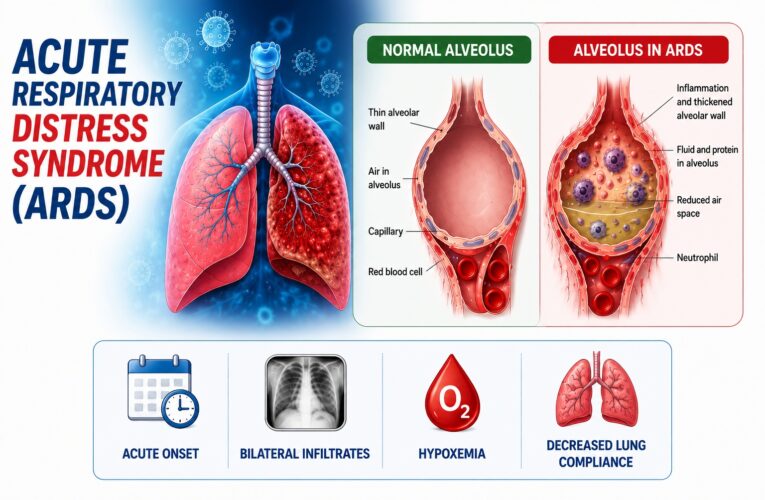
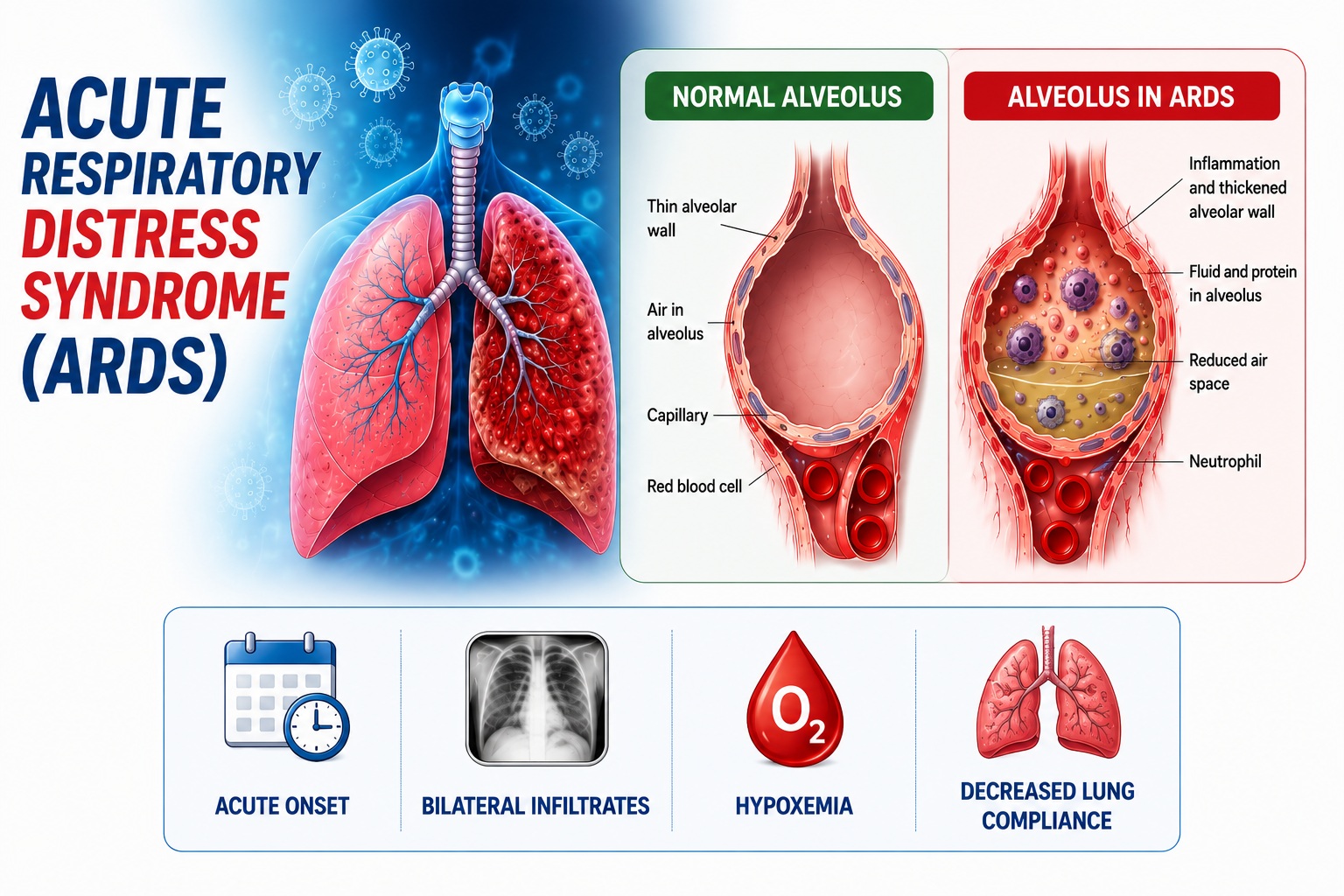
Acute Respiratory Distress Syndrome (ARDS) – Sign and Symptoms, Risk factors, Diagnosis, Complications, Treatment and Prevention 4.9 (5682)

Acute Respiratory Distress Syndrome (ARDS) is a life-threatening form of diffuse inflammatory lung injury characterized by acute-onset hypoxemic respiratory failure, bilateral pulmonary infiltrates, and reduced lung compliance — not fully … Read More

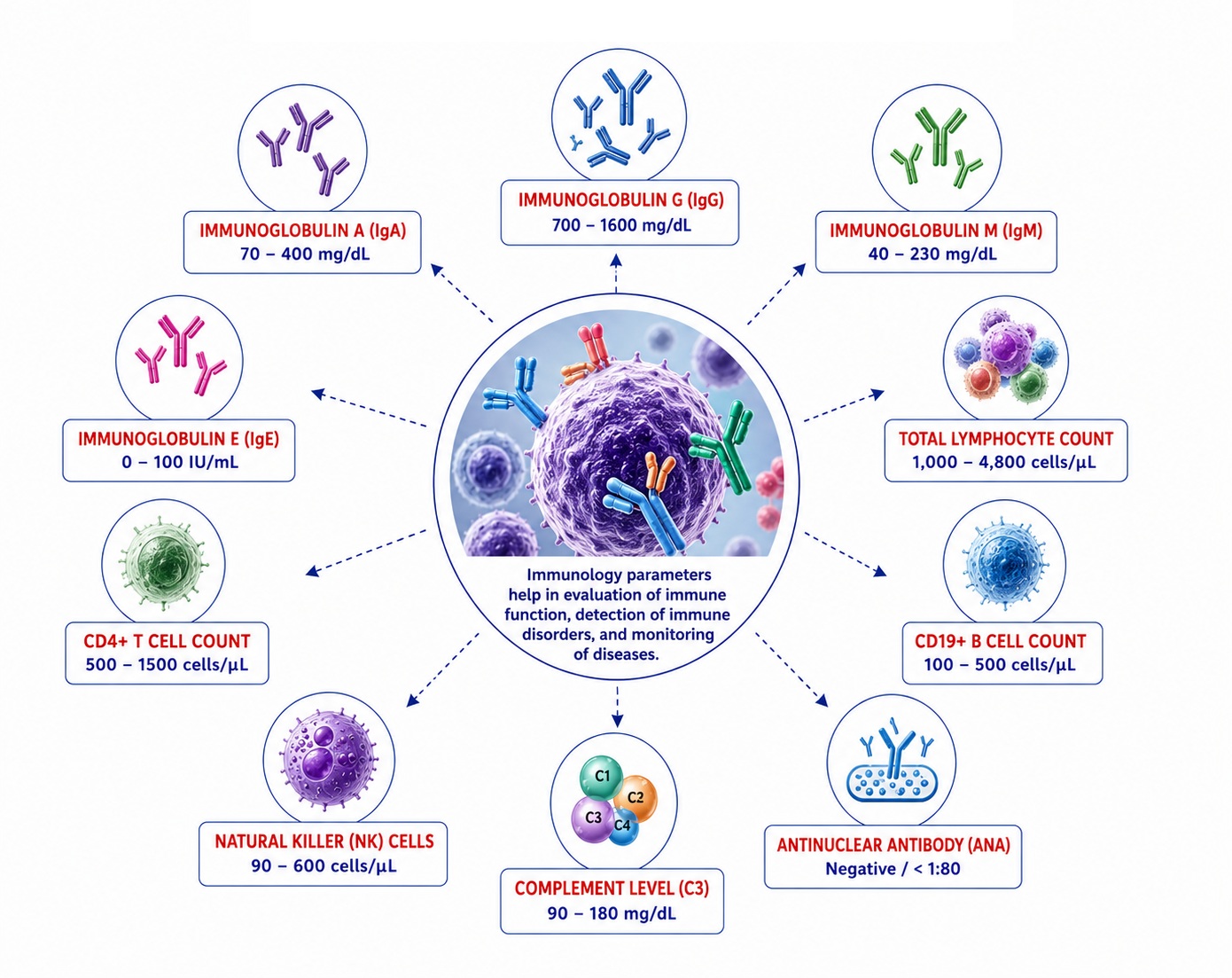
Normal Values of Immunology Parameters 0 (0)

Immunology is the branch of biomedical science that studies the structure, function, and regulation of the immune system, including innate immunity, adaptive immunity, humoral immunity, cellular immunity, complement pathways, cytokine … Read More

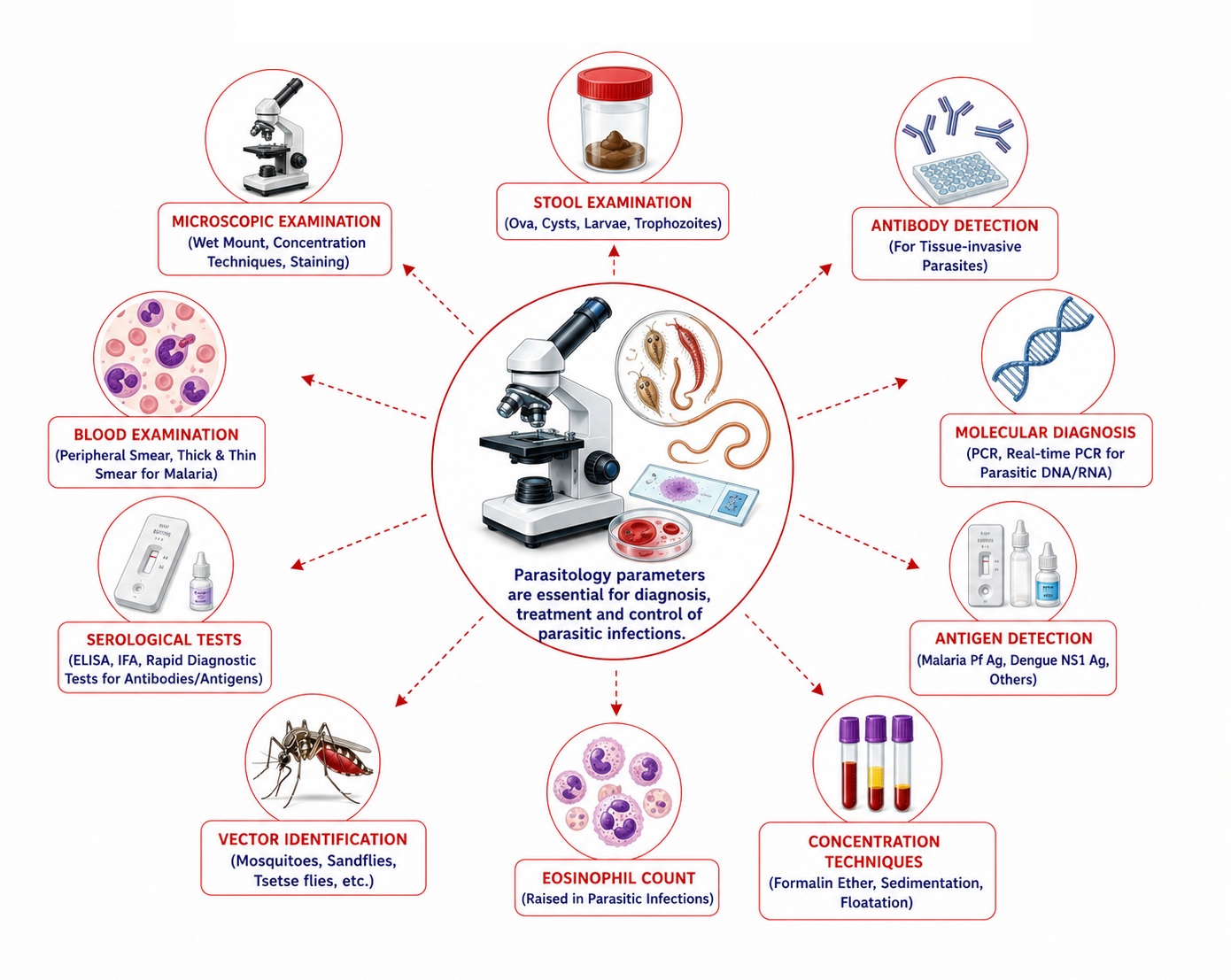
Normal Reference Values and Diagnostic Parameters in Parasitology 0 (0)

Parasitology is the branch of laboratory medicine concerned with the identification, characterization, quantification, and monitoring of protozoan, helminthic, and arthropod infections affecting humans. Unlike hematology and clinical biochemistry, parasitology does … Read More

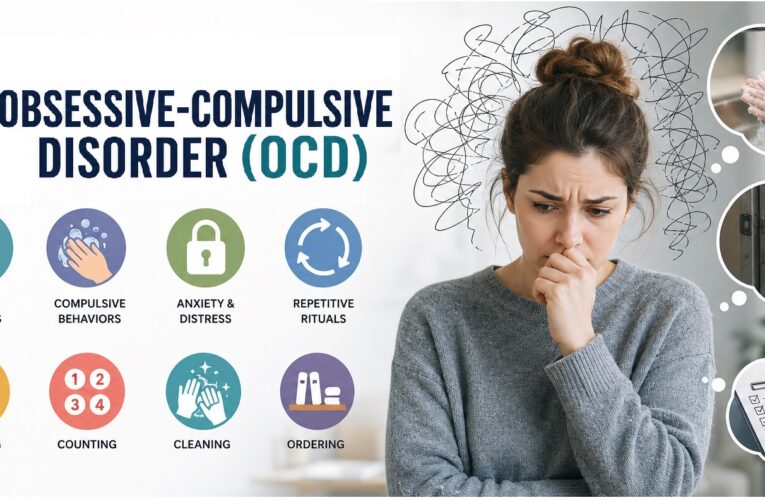
Obsessive-Compulsive Disorder (OCD) – Sign and Symptoms, Risk Factors, Complications, Diagnosis, Treatment and Prevention 4.8 (5782)

Obsessive-Compulsive Disorder (OCD) is a chronic, often debilitating neuropsychiatric condition defined by the presence of persistent obsessions, compulsions, or both, causing significant distress and functional impairment. It is classified in … Read More