Collection of Blood in Blood Bank
Blood for transfusion and accompanying samples is obtained from prominent veins on the donor’s arm, usually in the area of the antecubital fossa. Iodophor compounds or other sterilizing compounds are … Read More
Advanced Medical Education Platform for Healthcare Professionals and Students | Comprehensive Learning in General Medicine & Diagnostic Pathology with Structured Preparation for NEET PG, AIIMS, ICMR, USMLE, PLAB and MRCP Competitive Examinations…

Blood for transfusion and accompanying samples is obtained from prominent veins on the donor’s arm, usually in the area of the antecubital fossa. Iodophor compounds or other sterilizing compounds are … Read More
Common CA Marker : AFP : Hepatic (Normal : 2 – 16 ng/ml) AFP + HCG : Germ Cell Carcinoma CEA : Breast, Lungs, Gastric & Pancreatic Carcinoma CA … Read More
Alzheimer’s disease (AD) is a chronic irreversible progressive neurodegenerative disease characterized by dementia, destruction of memory and other important mental functions like confusion, difficulty remembering and impulsive or unpredictable behavior … Read More
The Blood Pressure (BP) is the pressure of the blood within the arteries. It is produced primarily by the contraction of the heart muscle. It’s measurement recorded by two numbers. … Read More
Parkinson’s disease (PD) is a chronic progressive neurological disorder that affects predominately dopamine-producing neurons in a specific area of the brain (substantia nigra) characterized by shaking, stiffness and difficulty with … Read More
Multisystem Inflammatory Syndrome in Children (MIS-C), also called Pediatric Multi-system Inflammatory Syndrome (PMIS or PIMS) is a serious condition where different body parts of the children can become inflamed such … Read More
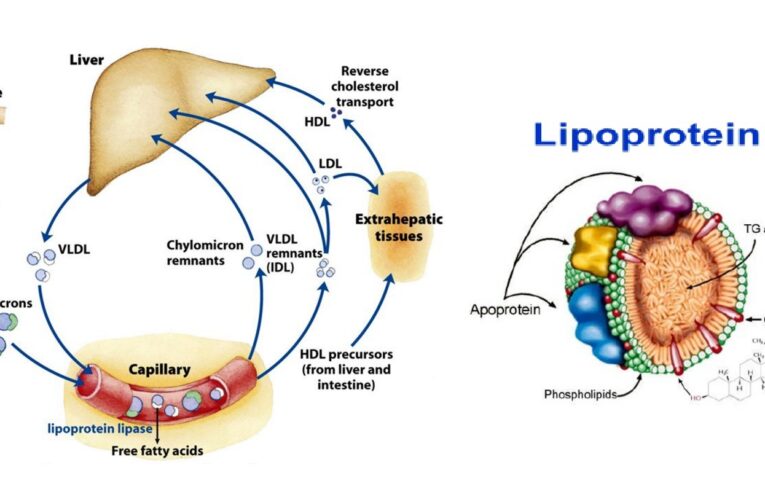
Cholesterol is a solid alcohol of high molecular weight and possesses the tetracycline, Perhydrocyclopentanophenanthrene skeleton. Cholesterol is the initial starting point in many metabolic pathways. These include vitamin-D synthesis, steroid … Read More
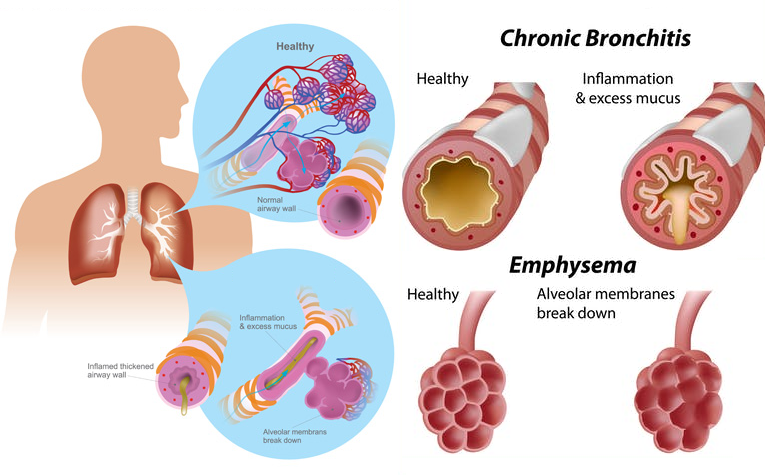
Chronic obstructive pulmonary disease (COPD) is a progressive life threatening lung disease characterized by chronic obstruction of lung airflow that interferes with normal breathing and is not fully reversible and … Read More
The Microscopic examination of urine is a valuable diagnostic tool for the detection and evaluation of renal and urinary tract disorders and other systemic diseases. For microscopic examination, a clean … Read More
Systemic Lupus Erythematosus (SLE) is an autoimmune disease characterized by acute and chronic inflammation of various tissues of the body. It’s also known to as Disseminated lupus erythematosus or LE … Read More
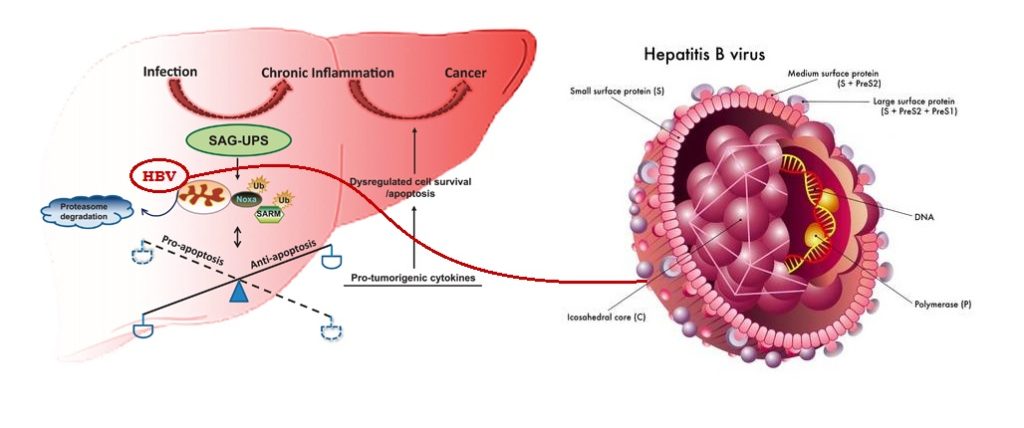
Hepatitis B is a potentially life-threatening liver infection caused by the Hepatitis B virus (HBV), a partially double-stranded DNA virus belonging to the family *Hepadnaviridae*, genus *Orthohepadnavirus*. It is one … Read More
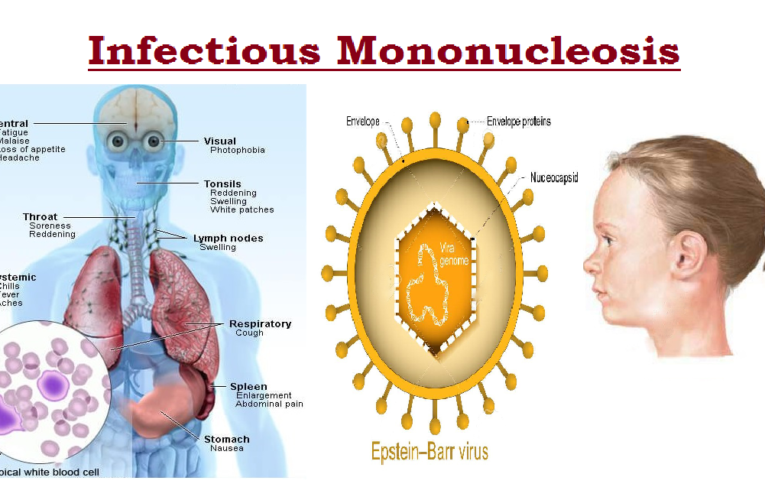
Infectious mononucleosis (IM) is a viral syndrome resulting from an acute infection with Epstein-Barr virus (EBV), commonly known as, Mono or Glandular fever or Kissing disease. Mononucleosis typically occurs between … Read More