Systemic Lupus Erythematosus (SLE)
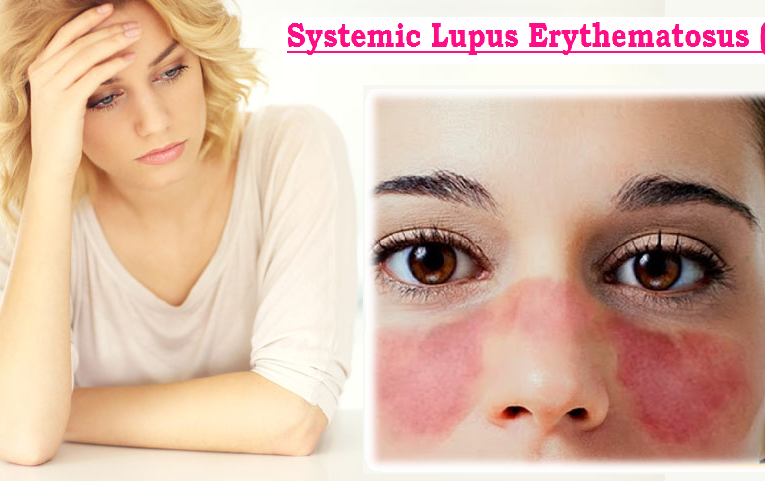
Systemic Lupus Erythematosus (SLE) is an autoimmune disease characterized by acute and chronic inflammation of various tissues of the body. It’s also known to as Disseminated lupus erythematosus or LE … Read More
Advanced Medical Education Platform for Healthcare Professionals and Students | Comprehensive Learning in General Medicine & Diagnostic Pathology with Structured Preparation for NEET PG, AIIMS, ICMR, USMLE, PLAB and MRCP Competitive Examinations…

Systemic Lupus Erythematosus (SLE) is an autoimmune disease characterized by acute and chronic inflammation of various tissues of the body. It’s also known to as Disseminated lupus erythematosus or LE … Read More
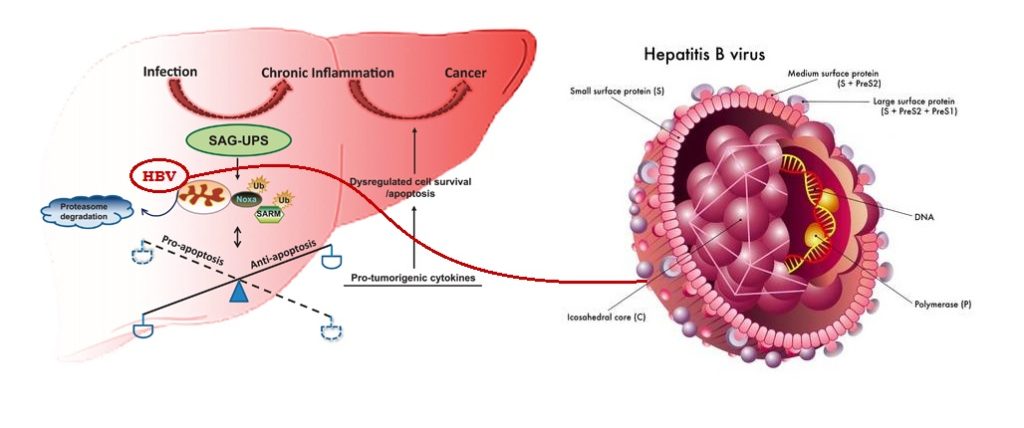
Hepatitis B is a potentially life-threatening liver infection caused by the Hepatitis B virus (HBV), a partially double-stranded DNA virus belonging to the family *Hepadnaviridae*, genus *Orthohepadnavirus*. It is one … Read More
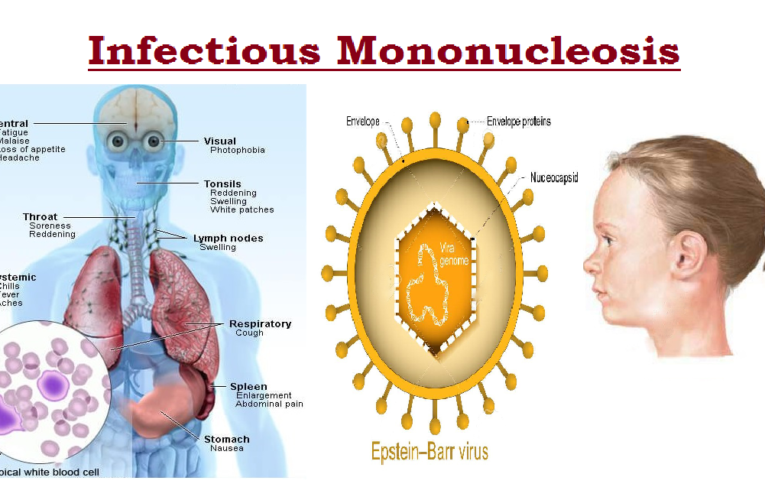
Infectious mononucleosis (IM) is a viral syndrome resulting from an acute infection with Epstein-Barr virus (EBV), commonly known as, Mono or Glandular fever or Kissing disease. Mononucleosis typically occurs between … Read More
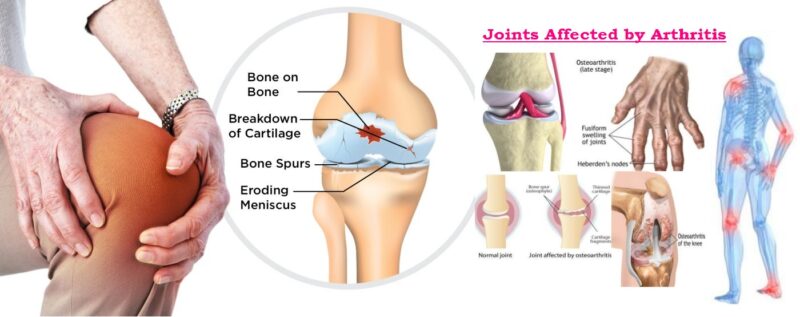
Arthritis (arthro = joint, itis = inflammation) is a inflammatory disease characterized by swelling, stiffness and pain in the one or more joints in the body. Specific symptoms vary depending … Read More
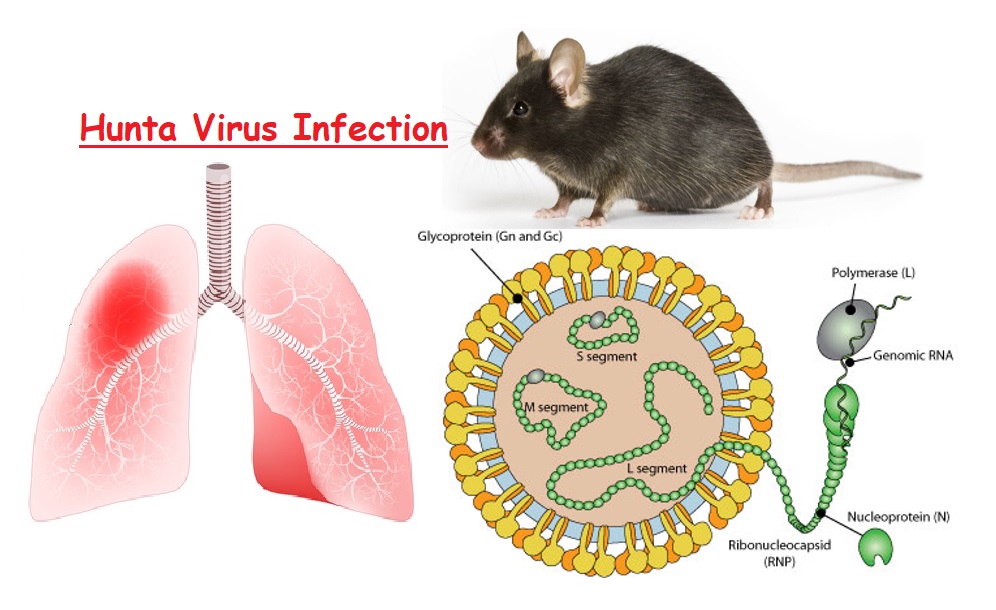
Hantaviruses are a family of viruses spread mainly by rodents and can cause varied disease syndromes in people worldwide. Hantaviruses are RNA viruses transmitted to humans by rodents (rodent-borne). Infection … Read More
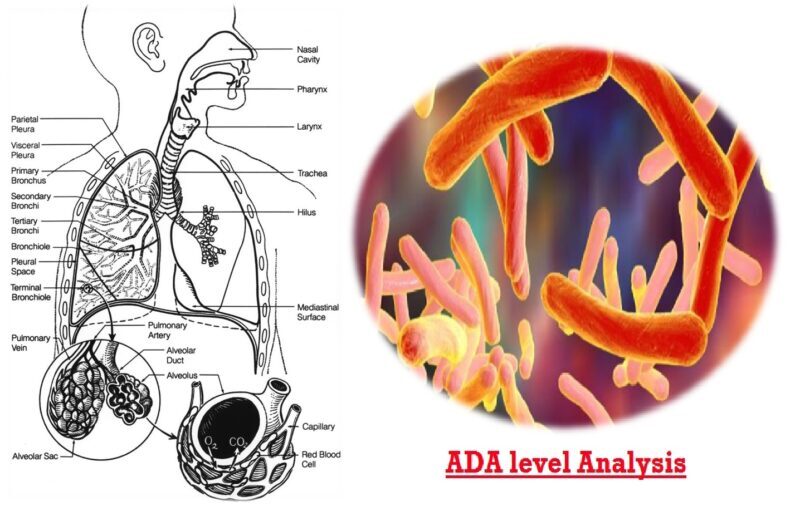
Adenosine Deaminase (ADA) is an endogenous tissue enzyme widely distributed in mammalian tissues, particularly in T lymphocytes. It is released into the serum of the patients with different types of … Read More
Influenza is an infectious disease caused by an influenza virus. It’s commonly known as “Flu”. Symptoms of the Influenza can be mild to severe and even death. The most common … Read More
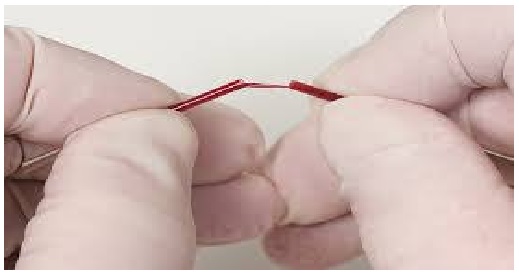
The Clotting Time is the time taken by blood to coagulate outside the body. It depends on many factors involved in coagulation. There … Read More
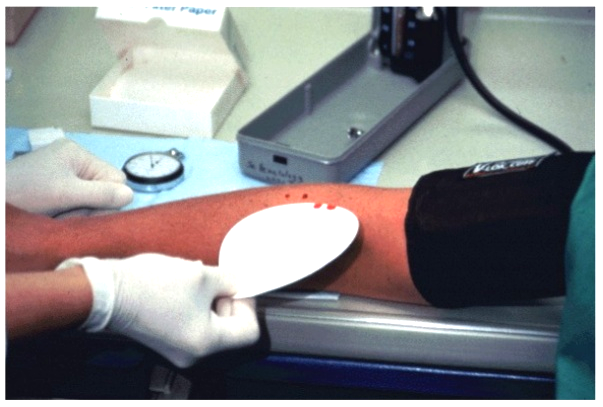
Bleeding Time (BT) is the time by which bleeding stops from an injury site. Determination of Bleeding Time recognizes vascular defect and platelet … Read More
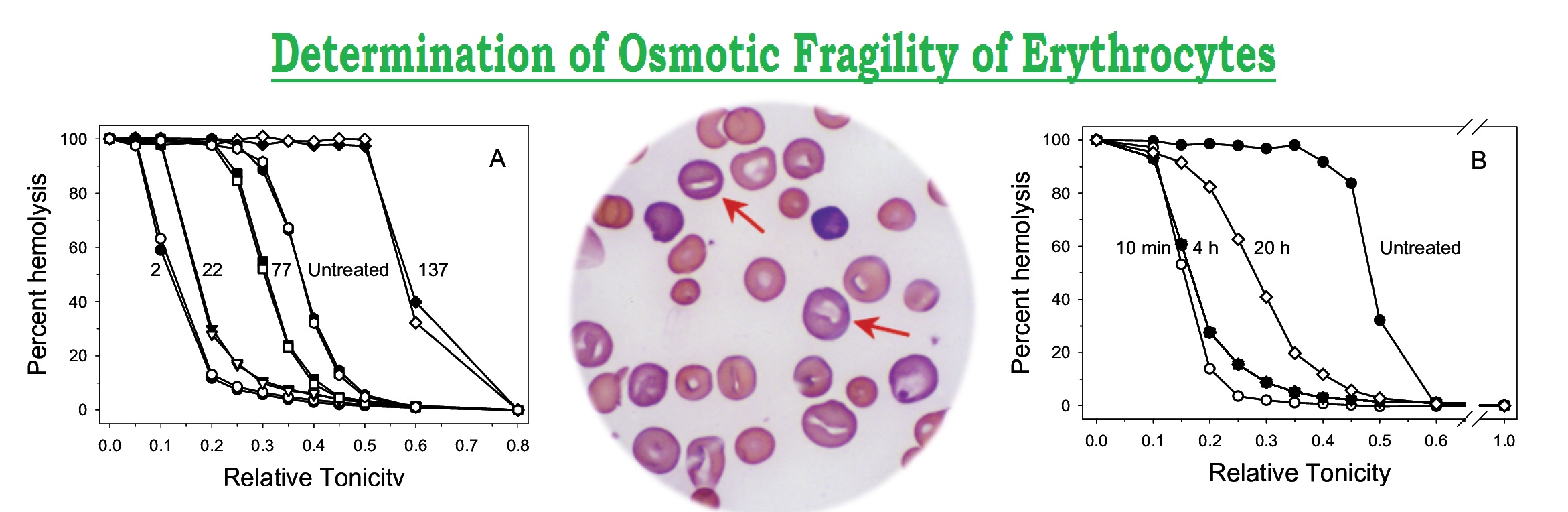
The red blood cell membrane restricts the solutes and allows only water to pass through them (osmosis). If the cells are placed in hypertonic solution (concentrated sodium chloride solution, concentration … Read More
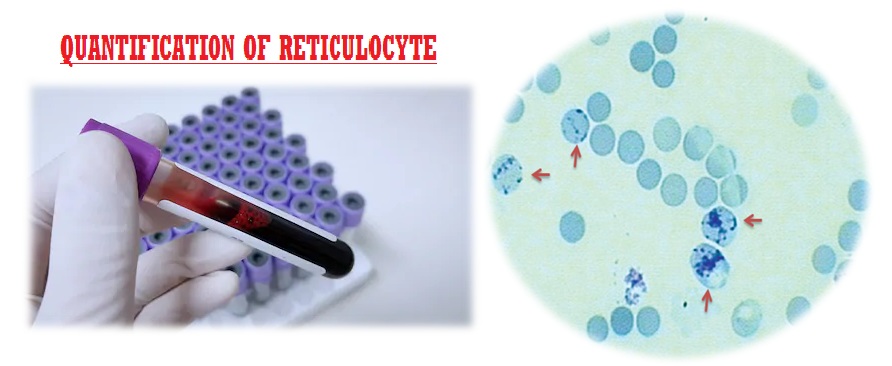
Reticulocytes are juvenile red cells that pass into the blood stream from the bone marrow. Reticulocytes stay in the circulation for about 24 hours and matured into erythrocytes. Reticulocytes have … Read More
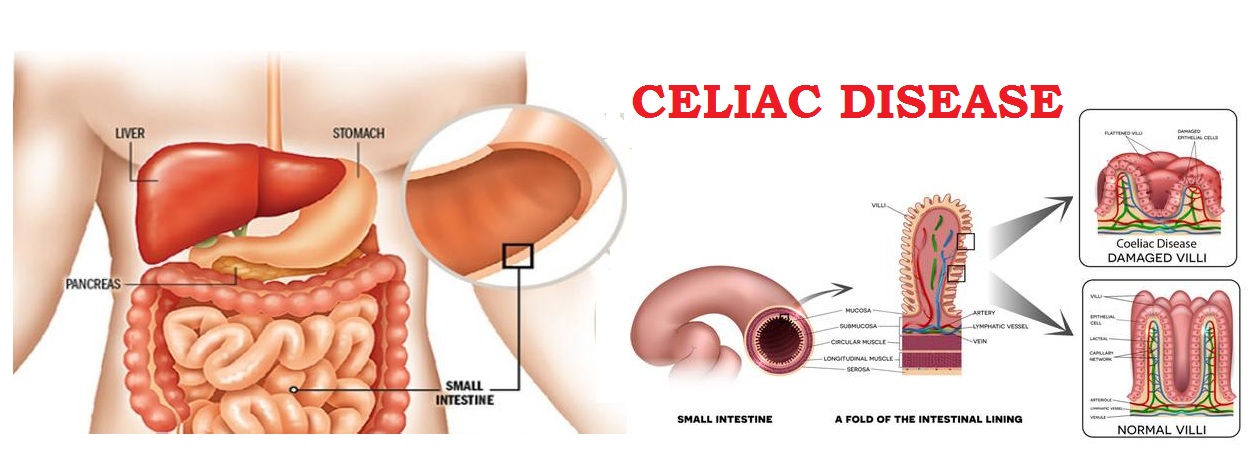
Celiac disease is a hereditary genetic autoimmune disorder where the ingestion of gluten leads to damage in the small intestine. It is estimated to affect 1 in 100 people worldwide. … Read More