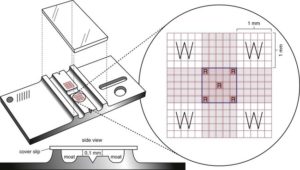
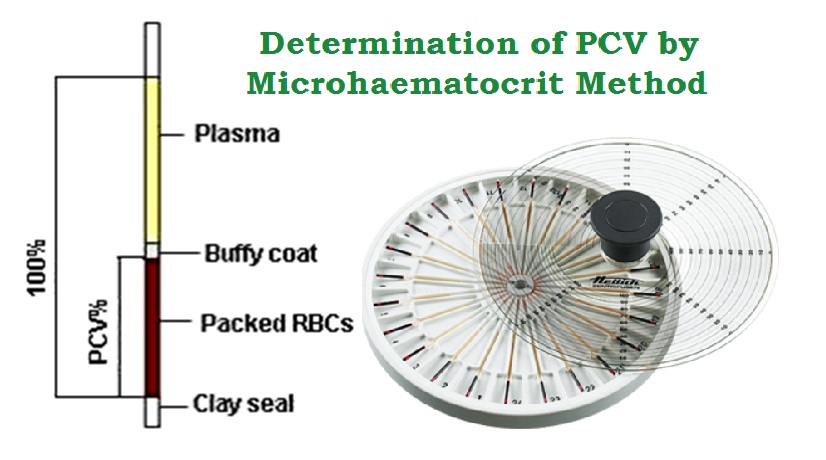
Determination of Hematocrit (Packed Cell Volume) 4.8 (2792)

Packed cell volume (PCV) is the amount of packed red blood cells following centrifugation, expressed as percentage (%) of the total blood volume. Clinical Significance : Decrease PCV are observed … Read More
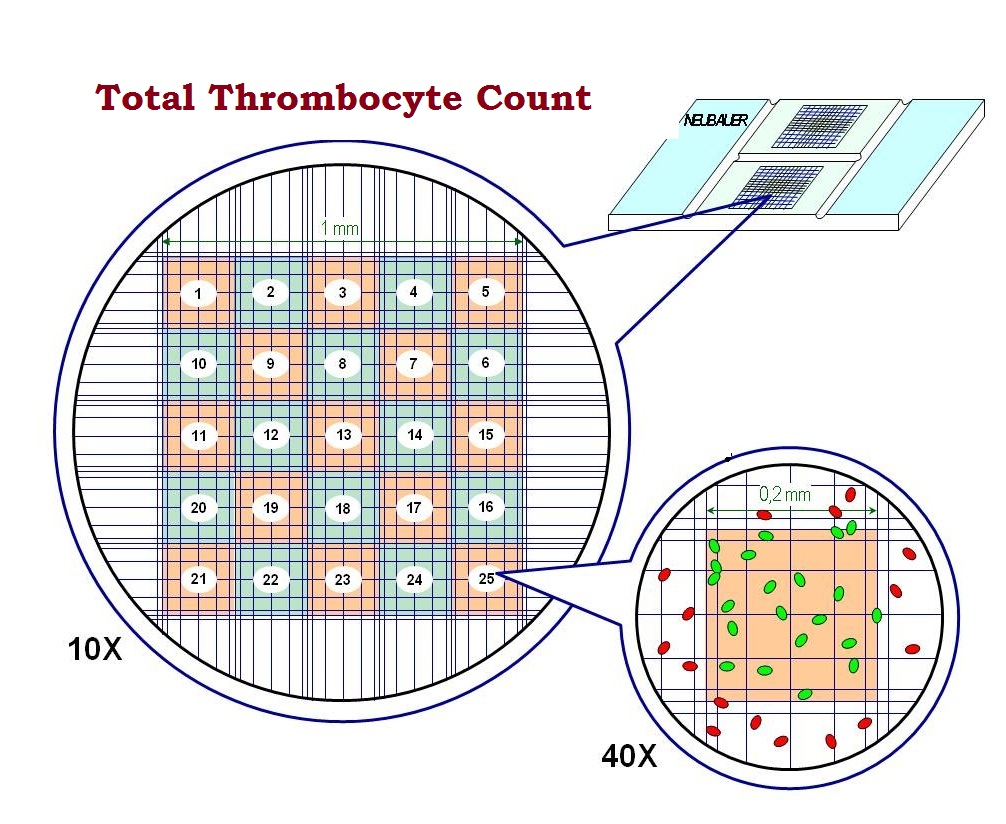
Total Thrombocyte Count by Haemocytometer 4.7 (2245)

            Thrombocytes are the smallest cell in the blood circulation. It is also known as platelet. They originate from megakaryocytes in the bone marrow.  They participate in the blood clotting … Read More

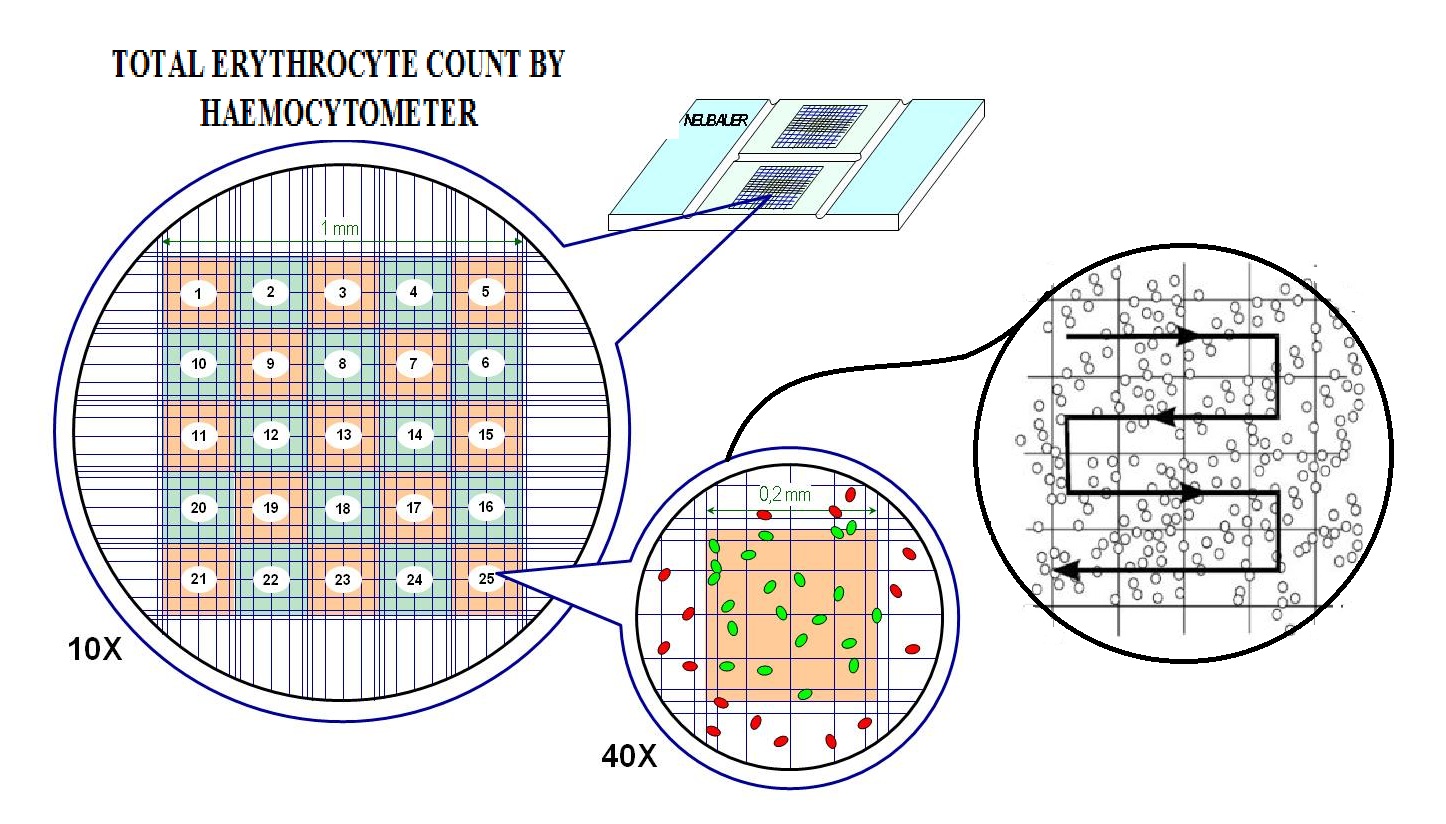
Total Erythrocyte Count by Haemocytometer 4.8 (2256)

The total erythrocyte count is an important diagnostic tool for haematology. It permits the MCV and MCH values to be calculated. At birth the total erythrocyte count varies from 6.5 … Read More

Total Leukocyte Count (TLC) by Haemocytometer 4.8 (2573)

Total leukocyte count (TLC) means total numbers of leukocyte present in the 1µl undiluted blood. Increase in total leukocyte count of more then 10,000/cu.mm is known as leukocytosis and decrease … Read More

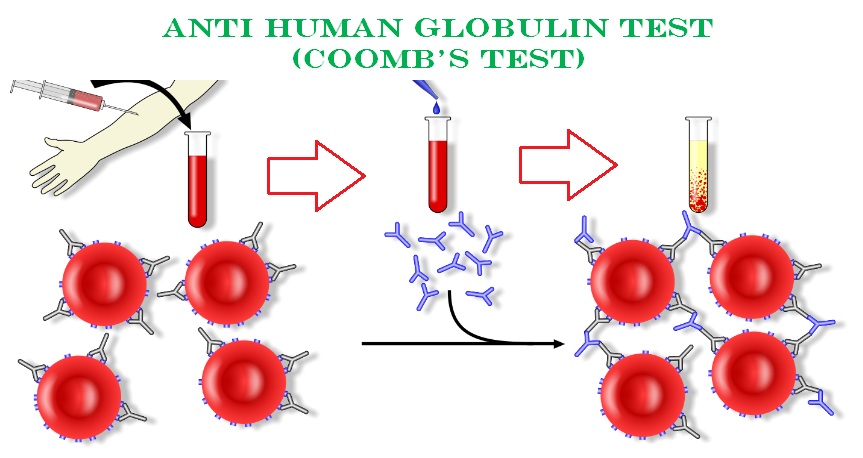
Anti Human Globulin Test (Coomb’s Test) 4.9 (2470)

Coomb’s test or Anti Human Globulin test is very useful in recognized weak immunologic reactions. It is widely used in the identification of Du, Compatibility testing, Antibody screening and identification … Read More

Normal Value of Human Biochemical Parameters 4.9 (2682)

Normal Value of Biochemical Parameters and Cancer Markers : https://medicoinfo.org/normal-value-of-biochemical-parameters-and-cancer-markers/ Lipid Profile Test : Total Lipid : 400 – 1000 mg/dl Serum Total Cholesterol : 150 – 239 mg/dl Serum … Read More

Normal Value of Hematological Parameters…… 4.9 (2867)

Normal Values of Hematological Parameters : https://medicoinfo.org/normal-values-of-haematological-parameters/?preview=true Hemoglobin Male                              :  13-18 gm/dl Female                               :  12-16.5 gm/dl Children (up to 1 year)   : 11-13 gm/dl Children (10-12 years) … Read More

Jaundice : Significance, Production, Transportation, Metabolism & Laboratory Analysis 4.8 (1991)

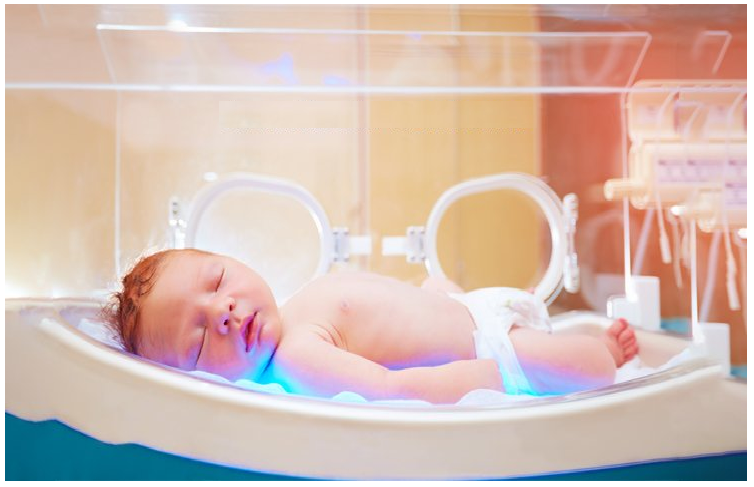
Bilirubin is formed from the breakdown of hemoglobin in the reticuloendothelial system; the end -products of heme catabolism are bilepigments. After breakdown of haemoglobin, the globin chains are separted,  they … Read More