

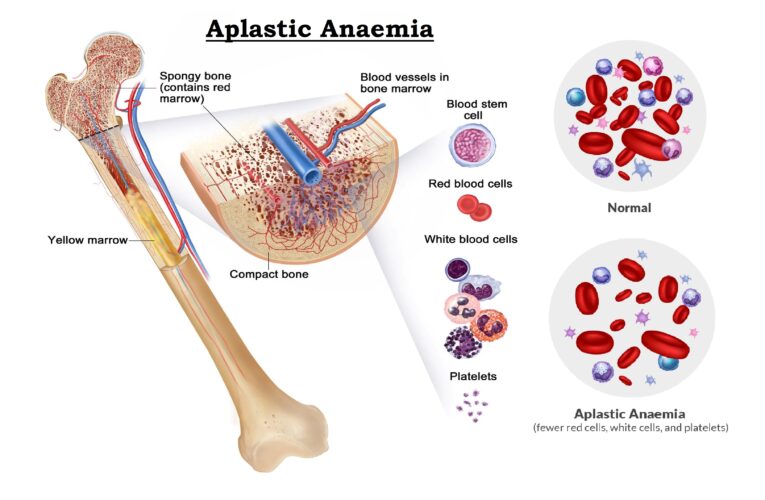
Aplastic Anaemia: Sign and Symptoms, Causes, Risk factors, Diagnosis, Complications, Treatment and Prevention 4.4 (10)

Aplastic anemia is a syndrome of bone marrow failure characterized by peripheral pancytopenia (deficiency of all three cellular components of the blood – red cells, white cells and platelets) and … Read More
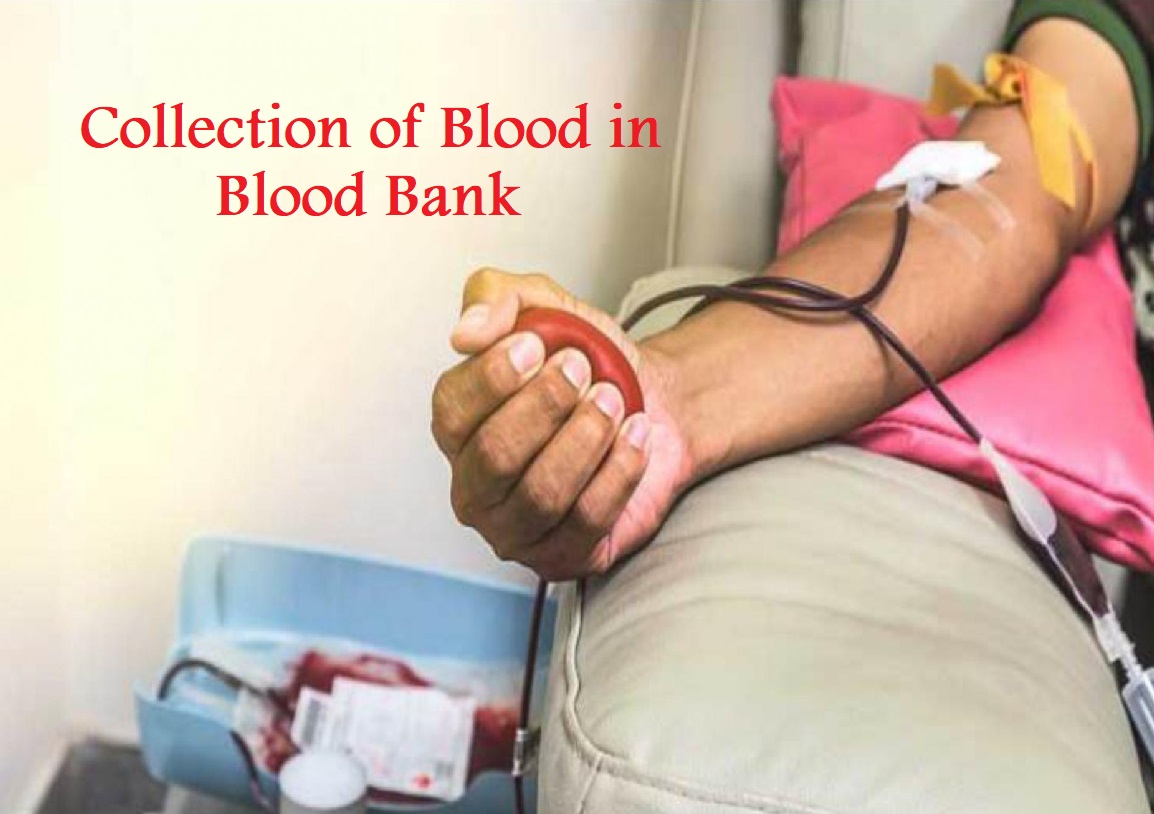
Collection of Blood in Blood Bank 4 (9)

Blood for transfusion and accompanying samples is obtained from prominent veins on the donor’s arm, usually in the area of the antecubital fossa. Iodophor compounds or other sterilizing compounds are … Read More

Measurement of Blood Pressure (BP) 4.8 (580)

The Blood Pressure (BP) is the pressure of the blood within the arteries. It is produced primarily by the contraction of the heart muscle. It’s measurement recorded by two numbers. … Read More

Determination of Clotting Time (CT) 4.7 (2484)

               The Clotting Time is the time taken by blood to coagulate outside the body. It depends on many factors involved in coagulation. There … Read More

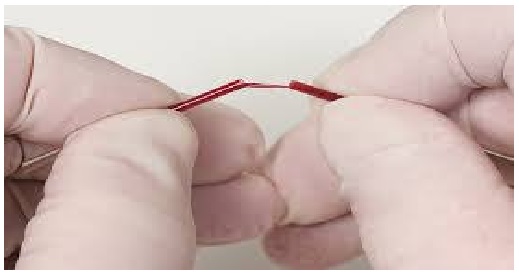
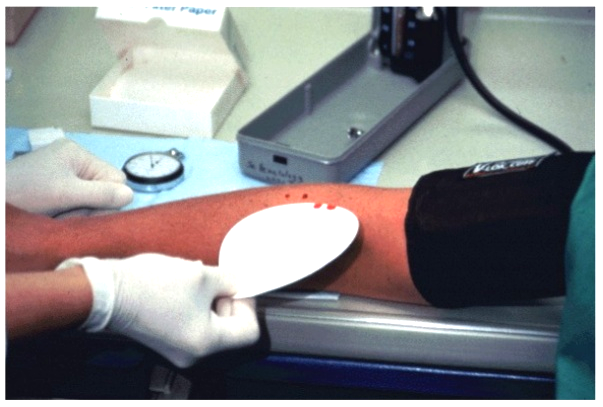
Bleeding Time (BT) 4.7 (2479)

               Bleeding Time (BT) is the time by which bleeding stops from an injury site. Determination of Bleeding Time recognizes vascular defect and platelet … Read More

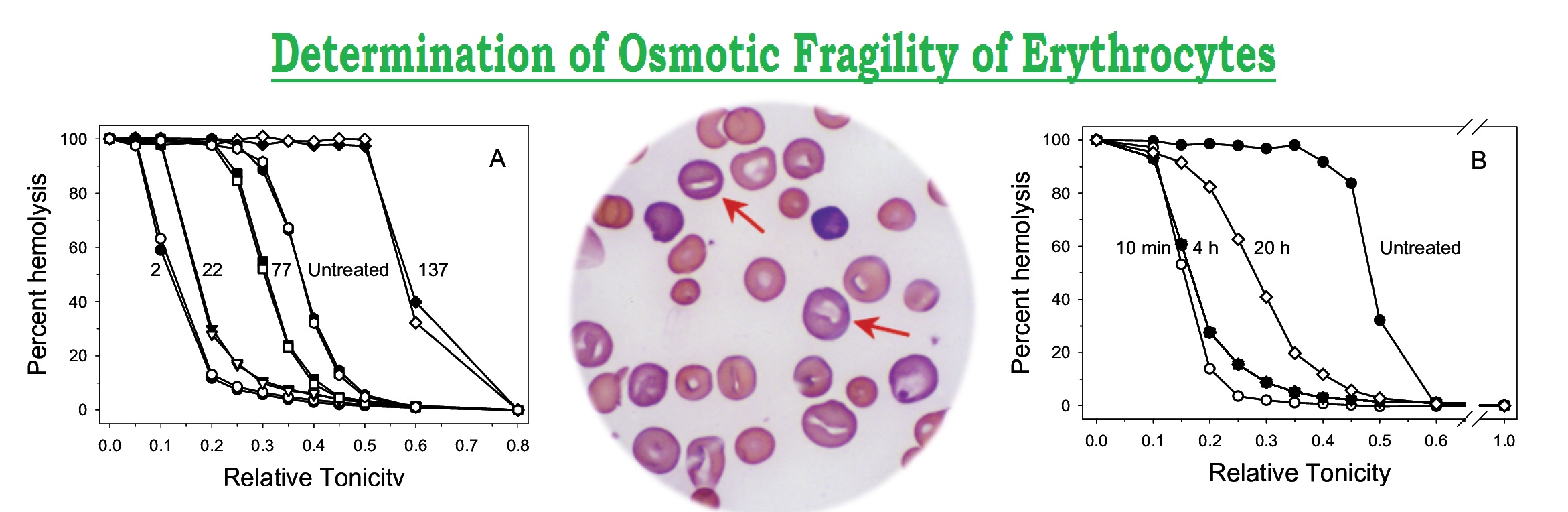
Osmotic Fragility of Erythrocytes 4.8 (2802)

The red blood cell membrane restricts the solutes and allows only water to pass through them (osmosis). If the cells are placed in hypertonic solution (concentrated sodium chloride solution, concentration … Read More

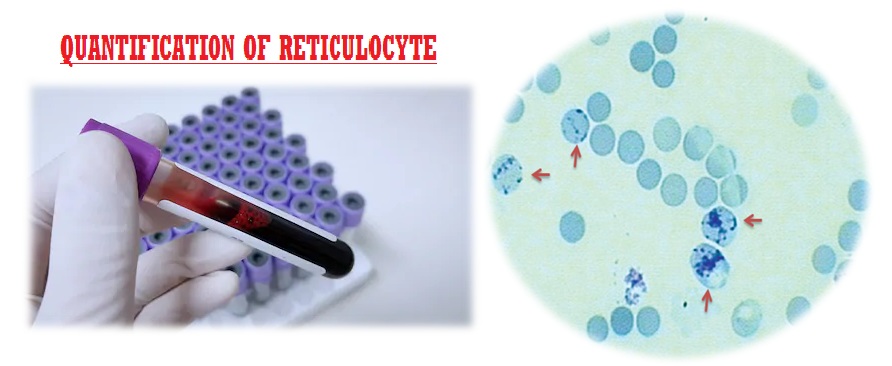
Quantification of Reticulocyte 4.8 (2863)

Reticulocytes are juvenile red cells that pass into the blood stream from the bone marrow. Reticulocytes stay in the circulation for about 24 hours and matured into erythrocytes. Reticulocytes have … Read More

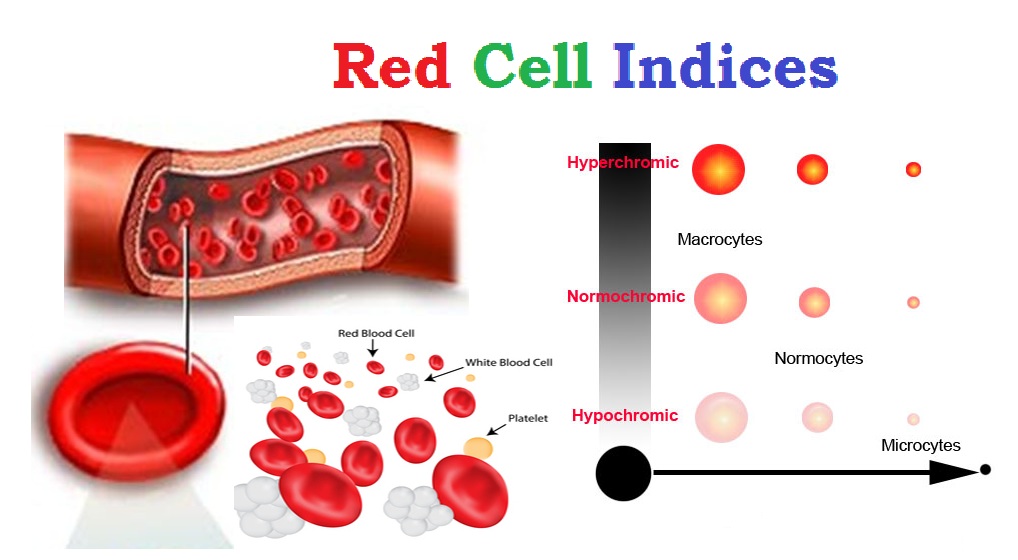
Determination of Red Cell Indices 4.6 (2444)

The red cell indices consist of Mean Corpuscular Volume (MCV), Mean Corpuscular Hemoglobin (MCH) and Mean Corpuscular Hemoglobin Concentration (MCHC). These are the parts of Complete Blood Count (Complete Hemogram) … Read More

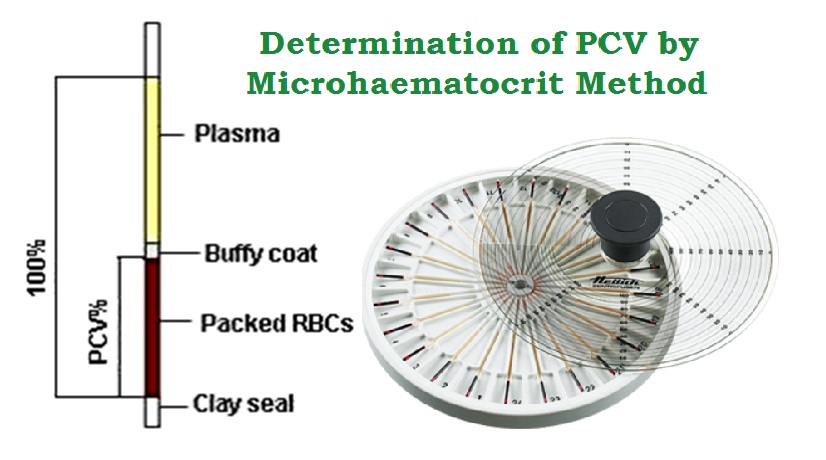
Determination of Hematocrit (Packed Cell Volume) 4.8 (2792)

Packed cell volume (PCV) is the amount of packed red blood cells following centrifugation, expressed as percentage (%) of the total blood volume. Clinical Significance : Decrease PCV are observed … Read More

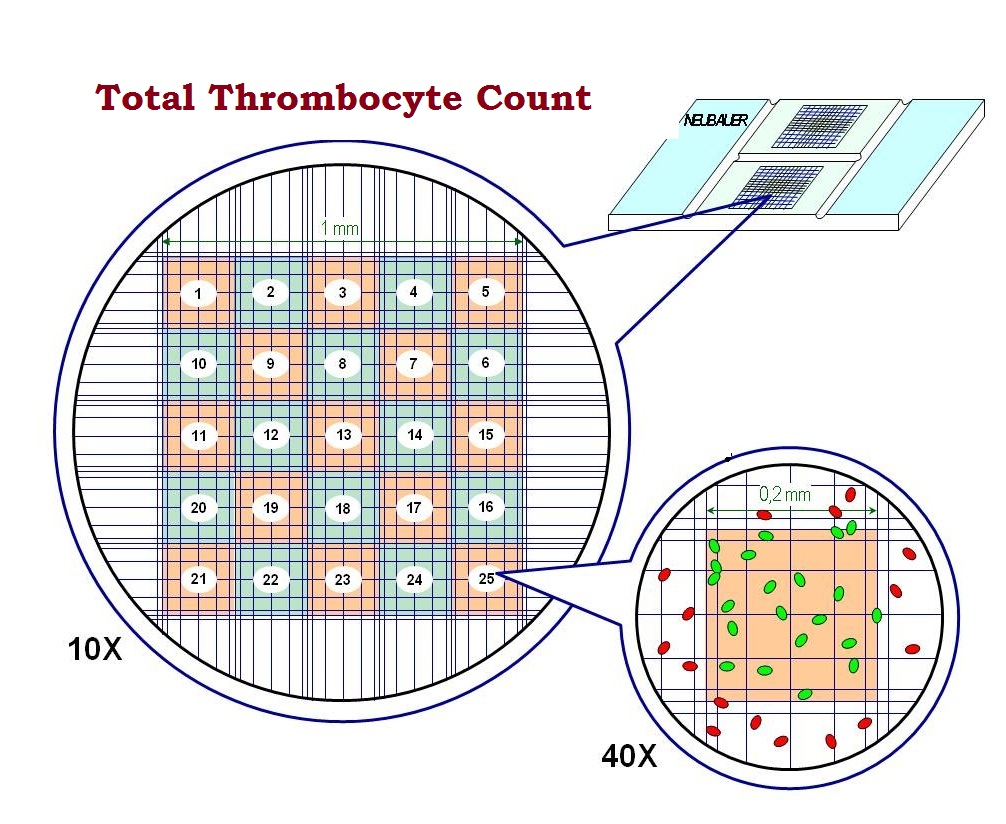
Total Thrombocyte Count by Haemocytometer 4.7 (2245)

            Thrombocytes are the smallest cell in the blood circulation. It is also known as platelet. They originate from megakaryocytes in the bone marrow.  They participate in the blood clotting … Read More

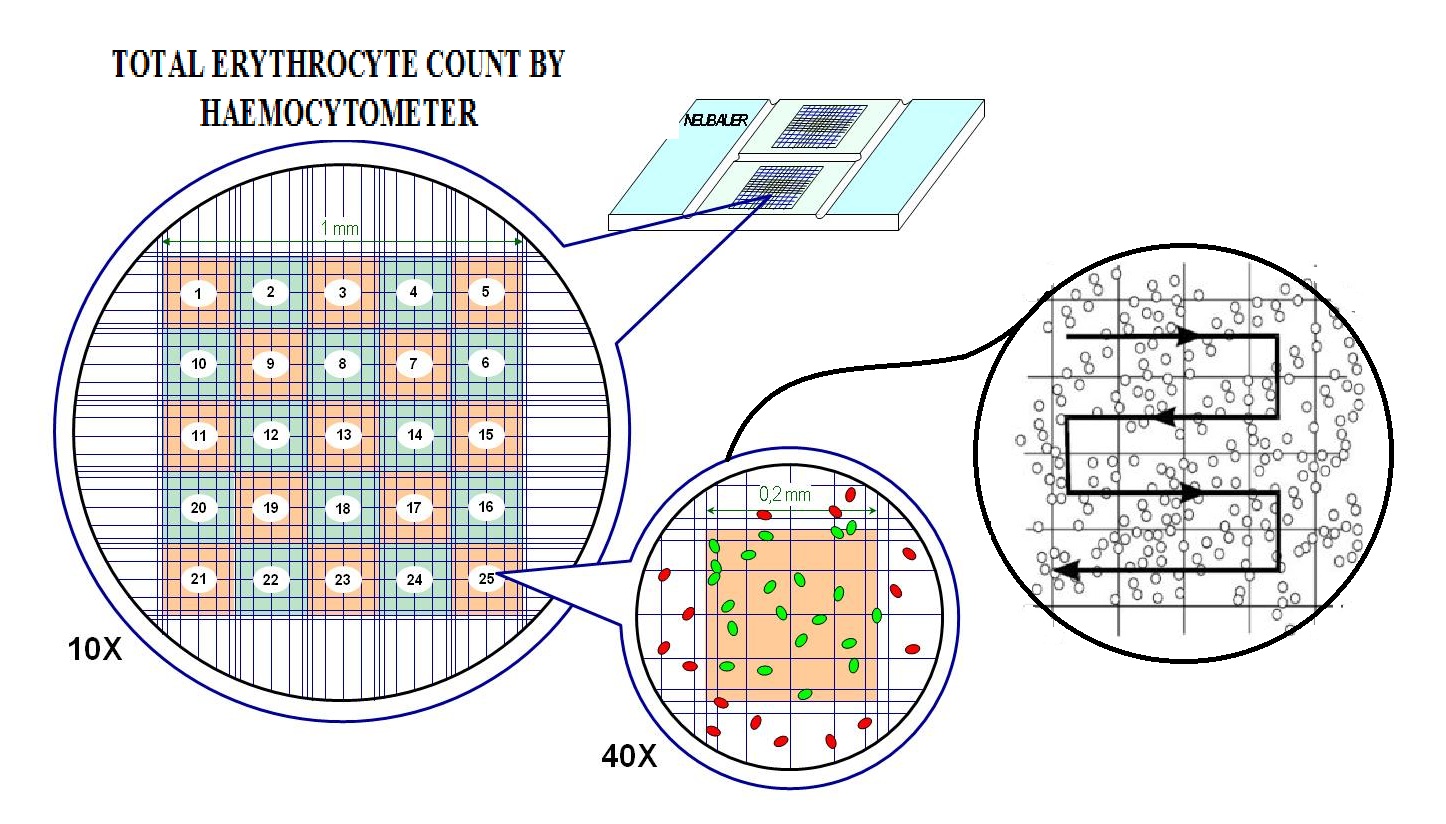
Total Erythrocyte Count by Haemocytometer 4.8 (2256)

The total erythrocyte count is an important diagnostic tool for haematology. It permits the MCV and MCH values to be calculated. At birth the total erythrocyte count varies from 6.5 … Read More

Total Leukocyte Count (TLC) by Haemocytometer 4.8 (2573)

Total leukocyte count (TLC) means total numbers of leukocyte present in the 1µl undiluted blood. Increase in total leukocyte count of more then 10,000/cu.mm is known as leukocytosis and decrease … Read More