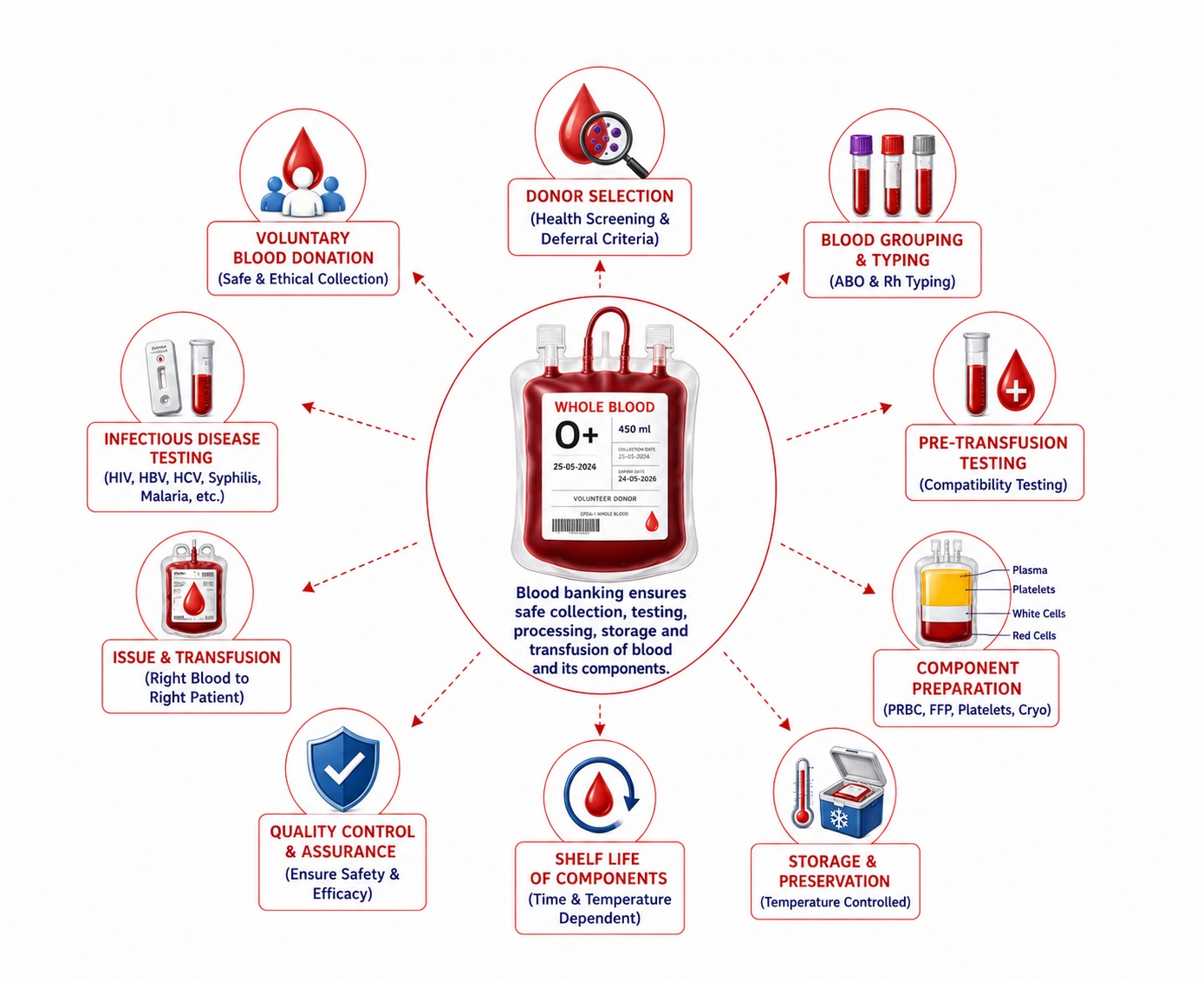
Blood Banking or Transfusion Medicine is a specialized branch of laboratory medicine concerned with the collection, processing, testing, storage, compatibility assessment, and clinical utilization of blood and blood components. Unlike routine hematology, blood banking relies on standardized reference parameters for donor eligibility, blood group systems, compatibility testing, component preparation, storage conditions, transfusion thresholds, immunohematological investigations, quality control metrics, and transfusion safety monitoring. These reference values are established by national and international organizations and form the basis of modern transfusion practice.
Blood Donor Eligibility Parameters
General Donor Requirements
| Parameter |
Reference Value |
| Age |
18–65 Years* |
| Body Weight (Whole Blood Donation) |
≥45–50 kg |
| Hemoglobin (Male) |
≥13.0 g/dL |
| Hemoglobin (Female) |
≥12.5 g/dL |
| Pulse Rate |
60–100 bpm |
| Systolic Blood Pressure |
100–180 mmHg |
| Diastolic Blood Pressure |
50–100 mmHg |
| Body Temperature |
≤37.5°C |
| Donation Interval (Whole Blood, Male) |
≥12 Weeks |
| Donation Interval (Whole Blood, Female) |
≥16 Weeks |
*May vary according to national regulations.
Blood Group Systems
ABO Blood Group Frequencies
| Blood Group |
Global Frequency (%) |
| O |
40–50% |
| A |
25–35% |
| B |
20–30% |
| AB |
3–10% |
ABO Antigens and Antibodies
| Group |
RBC Antigen |
Plasma Antibody |
| A |
A |
Anti-B |
| B |
B |
Anti-A |
| AB |
A and B |
None |
| O |
None |
Anti-A and Anti-B |
Rh Blood Group System
| Parameter |
Reference Value |
| Rh(D) Positive |
80–85% |
| Rh(D) Negative |
15–20% |
| Weak D Expression |
<1% |
Blood Component Preparation
Whole Blood
| Parameter |
Reference Value |
| Collection Volume |
350 ± 35 mL |
| Collection Volume |
450 ± 45 mL |
| Hematocrit |
36–44% |
| Shelf Life |
35–42 Days |
Packed Red Blood Cells (PRBC)
| Parameter |
Reference Value |
| Volume |
250–350 mL |
| Hematocrit |
55–80% |
| Hemoglobin Content |
≥45 g/unit |
| Storage Temperature |
2–6°C |
| Shelf Life |
35–42 Days |
Leukocyte Reduced RBCs
| Parameter |
Reference Value |
| Residual Leukocytes |
<5 × 10⁶/unit |
| Hemoglobin Recovery |
≥85% |
Washed Red Blood Cells
| Parameter |
Reference Value |
| Residual Plasma Protein |
<0.5 g/unit |
| Expiry After Preparation |
24 Hours |
Platelet Components
Random Donor Platelets (RDP)
| Parameter |
Reference Value |
| Platelet Yield |
≥5.5 × 10¹⁰/unit |
| Volume |
40–70 mL |
| pH at Expiry |
≥6.2 |
| Storage Temperature |
20–24°C |
| Shelf Life |
5–7 Days |
Single Donor Platelets (SDP)
| Parameter |
Reference Value |
| Platelet Yield |
≥3.0 × 10¹¹/unit |
| Volume |
200–400 mL |
| Residual Leukocytes |
<5 × 10⁶/unit |
| pH at Expiry |
≥6.2 |
Plasma Components
Fresh Frozen Plasma (FFP)
| Parameter |
Reference Value |
| Volume |
180–300 mL |
| Factor VIII Activity |
≥0.70 IU/mL |
| Storage Temperature |
≤−18°C |
| Shelf Life |
1 Year |
Cryoprecipitate
| Parameter |
Reference Value |
| Volume |
15–20 mL |
| Fibrinogen Content |
≥150 mg/unit |
| Factor VIII |
≥80 IU/unit |
| von Willebrand Factor |
Present |
| Factor XIII |
Present |
Cryoprecipitate Poor Plasma
| Parameter |
Reference Value |
| Volume |
180–250 mL |
| Storage Temperature |
≤−18°C |
Granulocyte Concentrates
| Parameter |
Reference Value |
| Granulocyte Count |
≥1 × 10¹⁰/unit |
| Storage Temperature |
20–24°C |
| Shelf Life |
24 Hours |
Compatibility Testing
ABO Forward Grouping
| Reaction Grade |
Interpretation |
| 4+ |
Strong Positive |
| 3+ |
Positive |
| 2+ |
Moderate Positive |
| 1+ |
Weak Positive |
| Negative |
No Agglutination |
Crossmatch Testing
| Parameter |
Reference Value |
| Immediate Spin Crossmatch |
Compatible |
| AHG Crossmatch |
Compatible |
| Electronic Crossmatch |
Compatible |
Antibody Screening
| Parameter |
Normal Result |
| Unexpected Antibody Screen |
Negative |
| Direct Antiglobulin Test (DAT) |
Negative |
| Indirect Antiglobulin Test (IAT) |
Negative |
Immunohematology Reference Parameters
Direct Antiglobulin Test (DAT)
| Parameter |
Normal Value |
| DAT |
Negative |
Indirect Antiglobulin Test (IAT)
| Parameter |
Normal Value |
| IAT |
Negative |
Antibody Titer
| Parameter |
Typical Reference |
| Clinically Significant Alloantibody |
Variable by Specificity |
| Anti-D Monitoring in Pregnancy |
<1:16 Often Considered Low Titer |
Transfusion Threshold Parameters
Red Cell Transfusion Thresholds
| Clinical Situation |
Typical Threshold |
| Stable Adult |
Hb <7 g/dL |
| Cardiovascular Disease |
Hb <8 g/dL |
| Major Surgery |
Hb <7–8 g/dL |
Platelet Transfusion Thresholds
| Clinical Situation |
Platelet Count |
| Prophylactic Transfusion |
<10 ×10⁹/L |
| Invasive Procedure |
<50 ×10⁹/L |
| Neurosurgery/Ophthalmic Surgery |
<100 ×10⁹/L |
Massive Transfusion Parameters
| Parameter |
Reference Value |
| Massive Transfusion Definition |
≥10 Units RBC/24 Hours |
| Critical Administration Threshold |
≥3 Units RBC/Hour |
| Recommended RBC:FFP:Platelet Ratio |
1:1:1 |
Blood Storage and Transportation
Storage Conditions
| Component |
Temperature |
| Whole Blood |
2–6°C |
| PRBC |
2–6°C |
| Platelets |
20–24°C with Agitation |
| FFP |
≤−18°C |
| Cryoprecipitate |
≤−18°C |
Transportation Conditions
| Component |
Temperature Range |
| RBC Components |
1–10°C |
| Platelets |
20–24°C |
| Frozen Plasma |
≤−18°C |
Quality Control Parameters
Packed Red Blood Cells
| Parameter |
Requirement |
| Hemoglobin Content |
≥45 g/unit |
| Hemolysis at Expiry |
<0.8% |
| Sterility |
No Growth |
Platelet Concentrates
| Parameter |
Requirement |
| Platelet Yield |
≥5.5 ×10¹⁰/unit |
| pH |
≥6.2 |
| Swirling |
Present |
| Sterility |
No Growth |
Fresh Frozen Plasma
| Parameter |
Requirement |
| Factor VIII |
≥0.70 IU/mL |
| Sterility |
No Growth |
Apheresis Parameters
Plateletpheresis
| Parameter |
Reference Value |
| Platelet Yield |
≥3 ×10¹¹ |
| Procedure Duration |
60–120 Minutes |
Plasmapheresis
| Parameter |
Reference Value |
| Plasma Volume Collected |
500–800 mL |
| Donation Interval |
≥2 Weeks |
Hemovigilance Parameters
| Parameter |
Reference Value |
| Acute Hemolytic Reaction |
0 Expected |
| Bacterial Contamination |
0 Expected |
| ABO Incompatible Transfusion |
0 Expected |
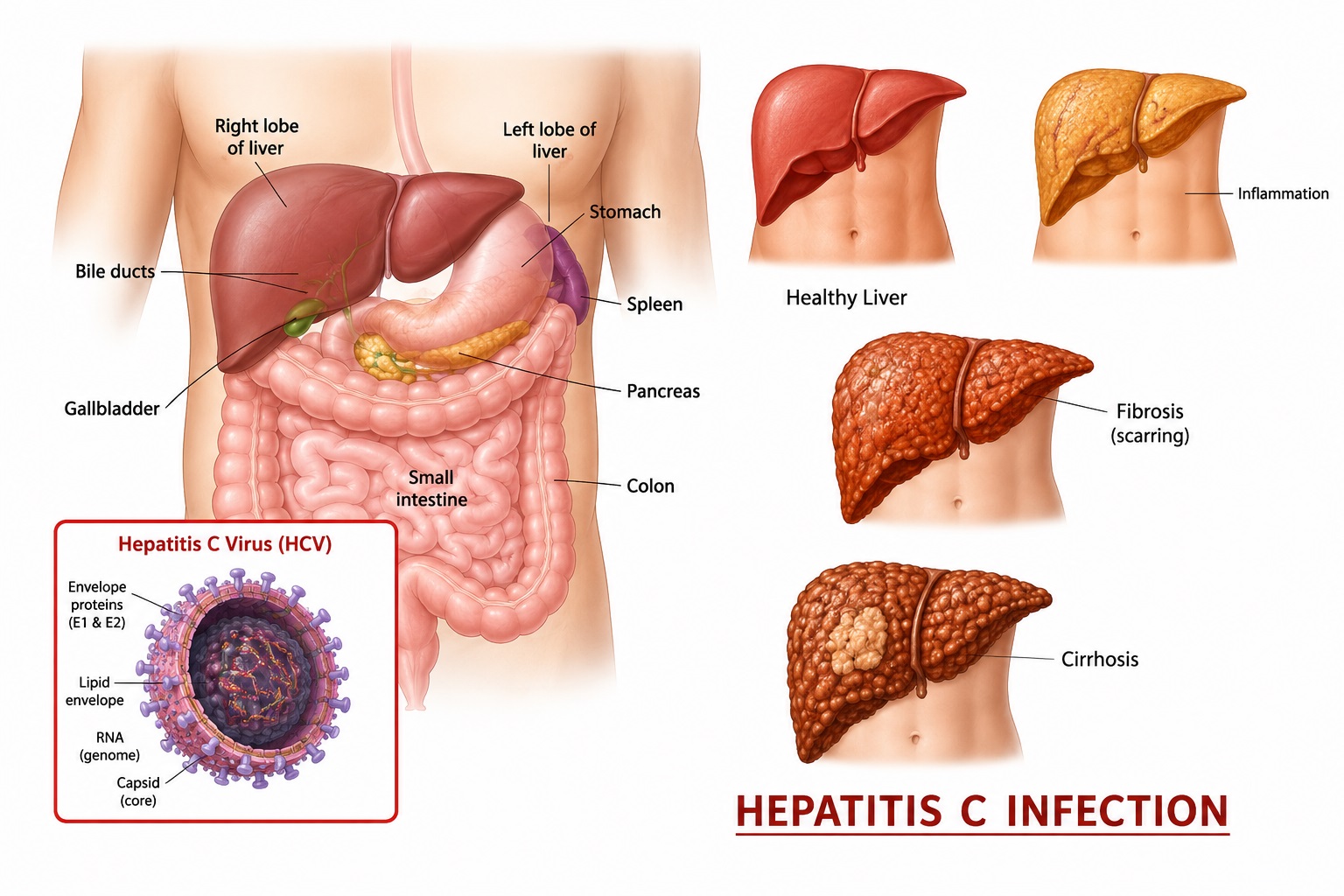
| Transfusion-Transmitted Infection |
0 Expected |
Transfusion-Transmitted Infection (TTI) Screening
| Marker |
Expected Donor Result |
| HBsAg |
Non-Reactive |
| Anti-HCV |
Non-Reactive |
| HIV-1/2 Antibody |
Non-Reactive |
| HIV NAT |
Non-Reactive |
| HBV NAT |
Non-Reactive |
| HCV NAT |
Non-Reactive |
| Syphilis Serology |
Non-Reactive |
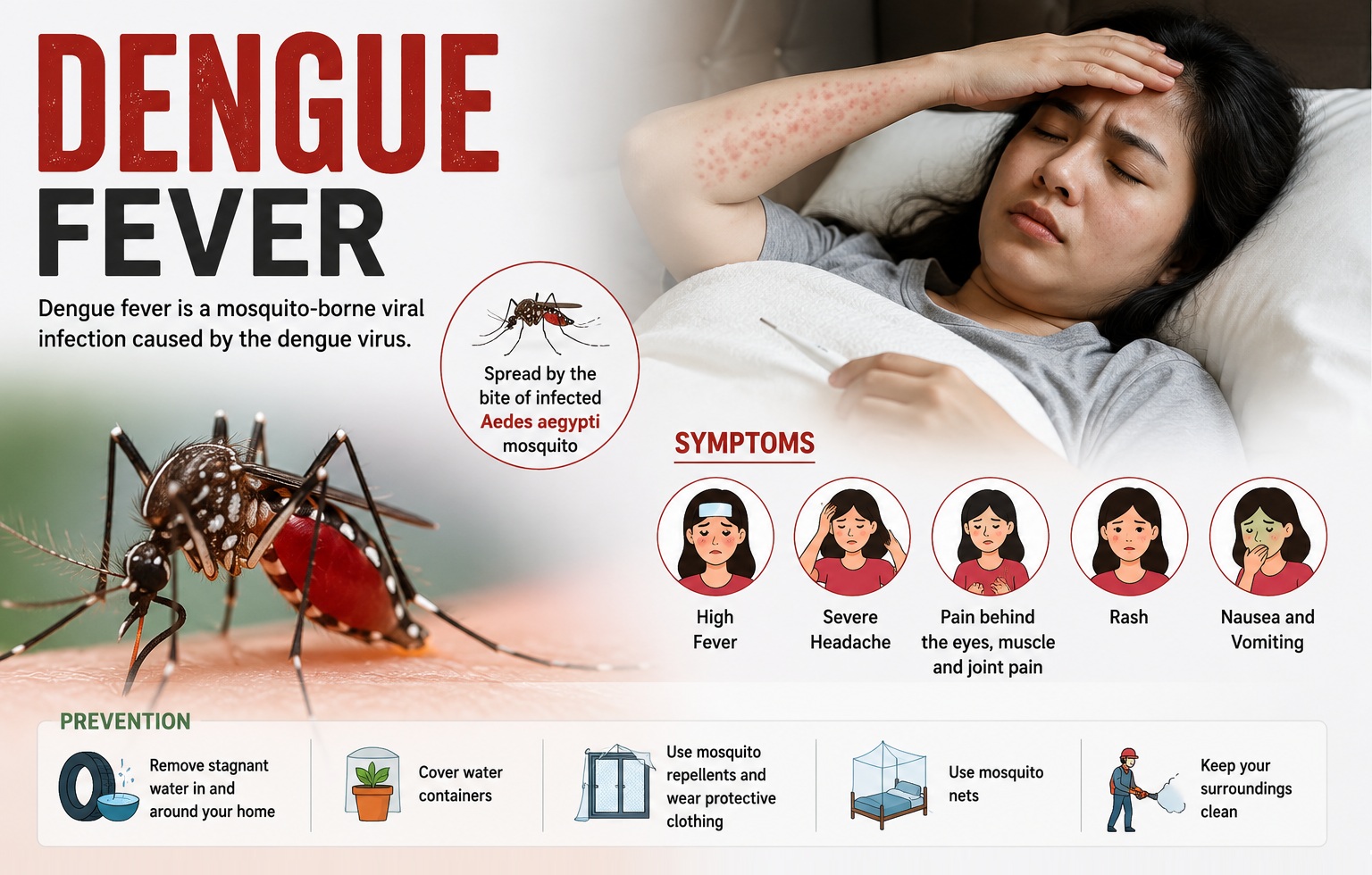
| Malaria Screening |
Negative |
References
- World Health Organization.
- International Society of Blood Transfusion.
- Mollison's Blood Transfusion in Clinical Medicine.
- Rossi's Principles of Transfusion Medicine.
- Technical Manual.
- Directorate General of Health Services.
- Council of Europe.
- Food and Drug Administration.
- European Directorate for the Quality of Medicines and HealthCare.