Skip to content

MedicoInfo

Advanced Medical Education Platform for Healthcare Professionals and Students | Comprehensive Learning in General Medicine & Diagnostic Pathology with Structured Preparation for NEET PG, AIIMS, ICMR, USMLE, PLAB and MRCP Competitive Examinations…

  • Haematology
    • Collection of Blood & It’s Processing
    • Anticoagulants used in Laboratory
    • Hemoglobin Estimation
    • Aplastic Anaemia
    • Differential Leukocyte Count (DLC)
    • Erythrocyte Sedimentation Rate (ESR)
    • Total Erythrocyte Count
    • Total Leukocyte Count (TLC)
    • Total Thrombocyte Count
    • Hematocrit (Packed Cell Volume)
    • Red Cell Indices
    • Quantification of Reticulocyte
    • Osmotic Fragility of Erythrocytes
    • Bleeding Time (BT)
    • Clotting Time (CT)
    • Measurement of Blood Pressure (BP)
    • Normal Values of Hematological Parameters
    • Importance of Patient Preparation
  • Biochemistry
    • Glucose Tolerance Test (GTT)
    • Delta Bilirubin – Hepatobiliary marker
    • Diabetes mellitus (Type-I & Type-II)
    • Jaundice – Bilirubin Analysis
    • Lipid Profile Analysis
    • Gout – Uric acid Analysis
    • Arthritis : Osteoarthritis & Rheumatoid Arthritis
    • Blood Triglycerides (TG)
    • Adenosine Deaminase (ADA) Analysis
    • Normal Value of Human Biochemical Parameters
    • Human Cancer Markers
  • Pathology
    • Creutzfeldt–Jakob Disease (CJD)
    • Nipah Virus Infection
    • Human metapneumovirus (HMPV) Infection
    • COVID-19 (Novel Coronavirus) Infection
    • Aplastic Anaemia
    • Hypothyroidism (Underactive thyroid)
    • Hypertension (High Blood Pressure)
    • Hypotension (Low Blood Pressure)
    • Alzheimer’s Disease
    • Parkinson’s Disease
    • Chronic Obstructive Pulmonary Disease (COPD)
    • Multisystem Inflammatory Syndrome in Children (MIS-C)
    • Systemic Lupus Erythematosus (SLE)
    • Arthritis : Osteoarthritis & Rheumatoid Arthritis
    • Collection and Preservation of Urine
    • Physical Examination of Urine
    • Microscopic Examination of Urine
    • Cerebrospinal Fluid (CSF) & It’s Laboratory Analysis
    • Synovial Fluid & It’s Laboratory Analysis
  • Microbiology
    • Nipah Virus Infection
    • Human metapneumovirus (HMPV) Infection
    • Japanese encephalitis (JE)
    • Monkeypox (Mpox) Viral Infection
    • Typhoid Fever (Enteric fever)
    • Toxoplasmosis :Toxoplasma gondii Infection
    • COVID-19 (Novel Coronavirus) Infection
    • Mucormycosis – Black fungus infection
    • Zika virus Infection
    • Novel Corona Virus (2019-nCoV) Infection
    • Guidelines for Home Isolation of Mild/Asymptomatic COVID-19 Patients
    • Multisystem Inflammatory Syndrome in Children (MIS-C)
    • Urinary Tract Infection (UTIs)
    • Infectious Mononucleosis
    • Hantaviruses Infection
    • Hepatitis B Infection
    • Hepatitis C Infection
    • Acquired Immunodeficiency Syndrome (AIDS)
    • Scrub typhus Infection
    • Celiac Disease
    • Influenza (Flu)
    • Adenosine Deaminase (ADA) Analysis
  • Blood Bank
    • Collection of Blood in Blood Bank
    • Human Blood Group System
    • ABO Blood Group System & It’s Determination
    • Rhesus Blood Group System & It’s Variant
    • Anti Human Globulin Test (Coomb’s Test)
    • Blood Group and Pregnancy
    • Preparation of Blood Components
      • Packed Red Cells (PRBCs)
      • Platelet Concentrate
      • Fresh Frozen Plasma (FFP)
      • Cryoprecipitate
      • Washed RBCs
  • Pharmacology
    • Cardiovascular Drugs
      • Digitalis
      • Amrinone
      • Dopamine
      • Dobutamine
    • Anti-Arrhythmic Drugs
      • Quinidine
  • Medical MCQ
    • Human Anatomy
      • Basic Concepts of Human Anatomy
      • Human Skeleton and Muscular System
      • Cardiovascular System
      • Nervous System
      • Digestive System
      • Reproductive System
      • Endocrine System
      • Respiratory System
      • Urinary System
    • Human Physiology
      • Human Cell Physiology
      • Human Blood Physiology
      • Human Nerve and Muscle Physiology
      • Human Cardiovascular Physiology
      • Human Respiratory Physiology
      • Human Renal Physiology
    • Clinical Biochemistry
      • Basic Biochemical Principles
      • Liver Function Test
      • Kidney Function (KFT)
      • Cardiac Profile Test / Cardiac Markers
      • Serum Electrolytes
      • Blood Metabolites
    • Clinical Pathology
      • Physical Examination of Urine
    • Hematology
    • Microbiology
    • Parasitology
    • Endocrinology
    • Histopathology and Cytotechnology
    • Blood Banking
  • About Us
    • About MedicoInfo
    • Privacy Policy of MedicoInfo
    • Terms of Use of MedicoInfo
    • Contact Us

Tag: Monkeypox treatment options

Treatment of monkeypox infection requires a comprehensive, individualized approach depending on the severity of symptoms, the presence of complications, and the patient’s underlying health status. And also the treatment is focuses on supportive care, management of complications, and antiviral therapy in severe cases or high-risk patients. Early diagnosis and intervention are critical to improving outcomes, particularly in high-risk populations. Treatment strategies depend on the severity of the disease, patient comorbidities, and resource availability.

A. Supportive Care
Supportive care is the foundation of treatment, addressing symptoms and preventing complications while the patient’s immune system combats the virus.

Symptom Management:
Fever and Pain Relief: Administer antipyretics such as acetaminophen or ibuprofen for fever and body aches. Ibuprofen can also alleviate inflammation and joint pain. Avoid aspirin in children to prevent Reye’s syndrome. For severe pain, short-term use of opioids or neuropathic pain modulators (e.g., gabapentin) may be considered.
Itching Relief: Oral antihistamines (e.g., diphenhydramine or cetirizine) reduce itching. Topical soothing agents, such as calamine lotion or aloe vera gel, can be applied to relieve localized irritation caused by skin lesions.
Hydration and Nutritional Support:
Encourage increased fluid intake (water, oral rehydration solutions, or broths) to prevent dehydration, especially in patients experiencing diarrhea or vomiting. Administer IV fluids to manage dehydration in severe cases where oral intake is inadequate. Add electrolytes as needed to correct imbalances.
Provide a high-calorie, nutrient-dense diet to support the immune response. For patients with painful oral or esophageal lesions, soft or liquid diets should be offered to minimize discomfort. Severe cases may require nasogastric feeding.
Skin and Wound Care: Lesions should be gently cleaned daily with saline or antiseptic solutions to prevent bacterial super infection. Use sterile, non-adherent dressings to cover lesions in areas prone to irritation or contamination (e.g., hands or feet). Apply emollients to prevent skin cracking and enhance wound healing.
Antiviral Therapy: Antiviral medications are used in patients with severe disease, complications, or those at high risk, such as immunocompromised individuals, children, or pregnant individuals.
Tecovirimat (TPOXX): Inhibits the viral envelope protein, preventing viral release and replication. Recommended for severe monkeypox, extensive lesions, or Immunosuppressed patients. Administered orally or intravenously, depending on patient capability. Treatment duration typically lasts 14 days. Tecovirimat has a favorable safety profile and is generally well-tolerated.
Brincidofovir: A lipid conjugate of cidofovir with improved tolerability and reduced nephrotoxicity. Brincidofovir used off-label for severe monkeypox; especially with organ involvement. It may include gastrointestinal upset and liver enzyme elevation, requiring close monitoring.
Cidofovir: Inhibits viral DNA synthesis. Reserved for life-threatening infections or cases refractory to other treatments due to its nephrotoxicity. Cidofovir medication requires concurrent hydration and renal function monitoring during administration.
B. Management of Complications
Complications require specific and prompt interventions:

Secondary Bacterial Infections: Treat with empiric or targeted antibiotics, such as cephalosporins or beta-lactamase inhibitors, based on local antimicrobial resistance patterns. Manage skin abscesses or cellulitis with drainage and appropriate systemic antibiotics.
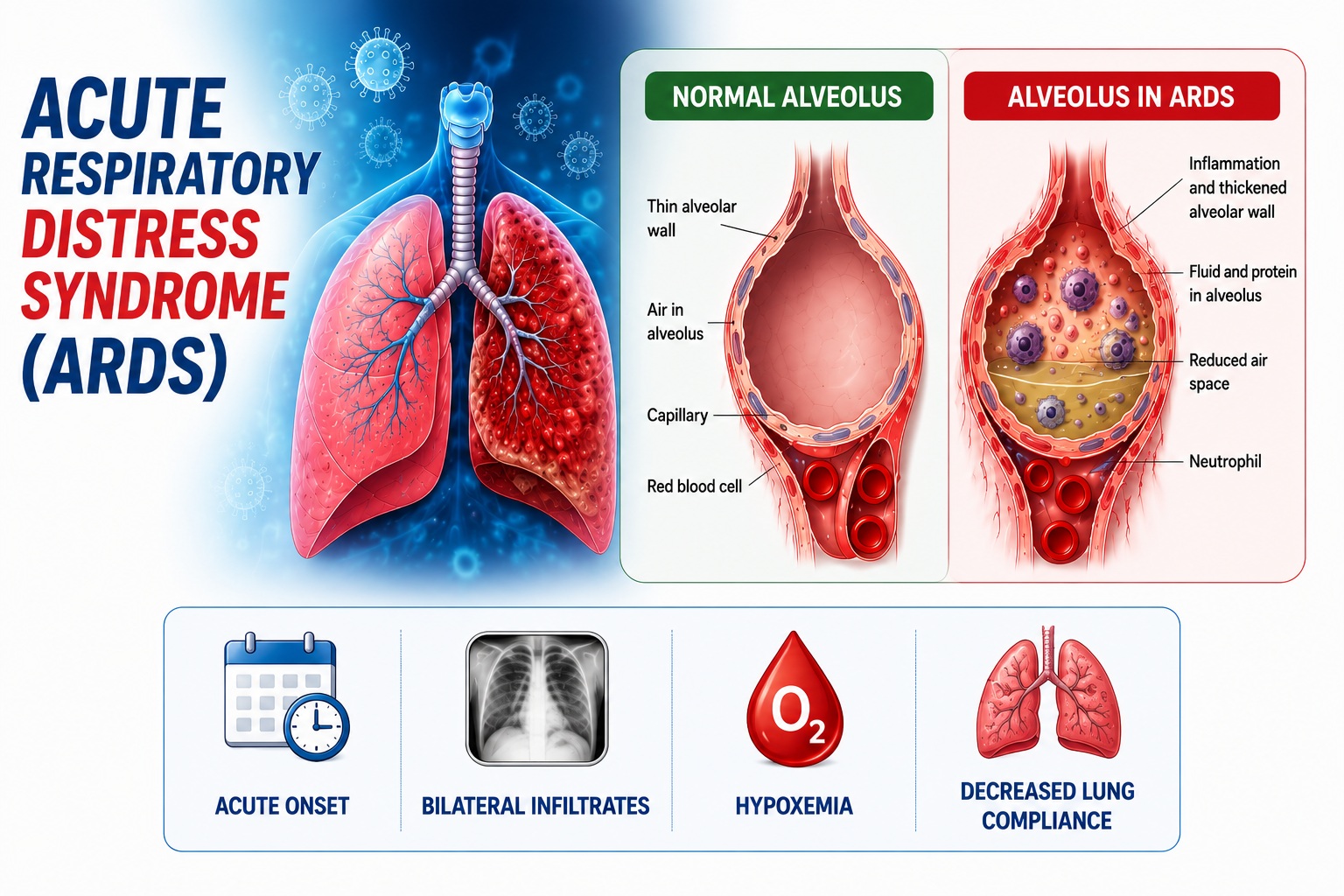
Respiratory Complications: Address secondary pneumonia with broad-spectrum antibiotics, shifting to narrow-spectrum agents once culture results are available. Provide supplemental oxygen for hypoxemia and consider mechanical ventilation for acute respiratory distress syndrome (ARDS).
Neurological Complications: Use corticosteroids to reduce inflammation (for encephalitis), antiviral therapy to limit viral replication, and intensive care monitoring. Seizures manage with antiepileptic drugs such as levetiracetam or phenytoin.
Ocular Involvement: Use antiviral eye drops (e.g., trifluridine) to treat keratitis or conjunctivitis. Artificial tears can prevent corneal dryness and irritation.Refer severe cases to an ophthalmologist to prevent vision loss.
Dehydration and Electrolyte Imbalances: Correct fluid losses with oral rehydration or IV fluids containing electrolytes. Monitor for signs of hypokalemia or hyponatremia and correct as needed.
Post-Exposure Prophylaxis and Vaccination: Post-exposure prophylaxis with vaccines can reduce disease severity:
JYNNEOS (Modified Vaccinia Ankara) : Safe for immunocompromised individuals and pregnant women. A two-dose subcutaneous series administrated. First dose should ideally be given within 4 days of exposure.
ACAM2000 : It’s effective but not recommended for immunosuppressed individuals due to risks of serious side effects like vaccinia necrosis. A single-dose live replicating vaccine is administrated.
Infection Control and Isolation: Preventing the spread of monkeypox is a critical component of management:
Patients must remain isolated until all lesions have scabbed over, fallen off, and new skin has formed.
Healthcare providers and caregivers should wear Personal Protective Equipment (PPE), specially gloves, masks, gowns, and eye protection when interacting with infected individuals.
Environmental Hygiene should be maintained. Disinfect contaminated surfaces and dispose of contaminated bedding, clothing, and medical supplies appropriately.
Special Populations: Treatment may require adjustments for specific groups:
Pregnant Individuals: Tecovirimat can be used cautiously in severe cases to minimize maternal and fetal risks. Close monitoring is essential.
Children: Provide meticulous hydration and nutritional support due to their higher susceptibility to dehydration and malnutrition. Adjust antiviral dosages based on weight.
Immunocompromised Individuals: These patients are at heightened risk for severe disease and complications. Early initiation of antiviral therapy, close monitoring, and aggressive management of secondary infections are critical.
Effective management of monkeypox involves supportive care, antiviral therapy in severe cases, and targeted treatment of complications. Prevention through post-exposure prophylaxis, isolation, and infection control measures is essential to limit the spread. Tailored approaches for vulnerable populations and a multidisciplinary strategy are crucial for optimal outcomes.

Monkeypox (Mpox): Sign and Symptoms, Causes, Mode of Transmission, Risk factors, Diagnosis, Complications, Treatment and Prevention 4.9 (298)

Monkeypox (Mpox): Sign and Symptoms, Causes, Mode of Transmission, Risk factors, Diagnosis, Complications, Treatment and Prevention 4.9 (298)

by Mr. Joydeb Pradhan & Mrs. Tanusri Bera Pradhan

Monkeypox, formerly known as Mpox, is a zoonotic viral disease that resembles smallpox but is generally less severe. It is caused by the Monkeypox virus, which belongs to the Orthopoxvirus genus. It primarily found in…

Post Categories

Recent Posts

  • Nipah Virus Infection – Sign and Symptoms, Risk factors, Diagnosis, Complications, Treatment and Prevention
  • MCQs on Physical Examination of Urine
  • MCQs on Blood Metabolites
  • MCQs on Serum Electrolytes
  • MCQs on Cardiac Profile Test / Cardiac Markers
  • MCQs on Kidney Function (KFT)
  • MCQ on Liver Function Test
  • Creutzfeldt–Jakob Disease (CJD) – Sign and Symptoms, Risk factors, Diagnosis, Complications, Treatment and Prevention
  • MCQs on Basic Biochemical Principles
  • MCQs on Human Renal Physiology

Subscribe to MedicoInfo

Please wait...
Enter your email address and Name to subscribe MedicoInfo
MedicoInfo : Advanced Medical Learning & Diagnostic Education Platform Theme: Blog Hub By Artify Themes.
Please wait...

Subscribe to MedicoInfo

Want to be notified when our article is published?
Subscribe